Undergraduate Program in
Electrical Engineering
What is Electrical Engineering?
Electrical engineering is the application of electricity – related science and technology and its applications in meeting the daily necessities of life. Students will learn about concepts, design, development, to the production of electrical devices to sustain human life especially in the industrial age 4.0.
The program for the study of electrical engineering became a vessel for students to cope with the growing growth of the industry by developing industrial automation that could help human life in the future
Why choose UMN’s
Electrical Engineering?
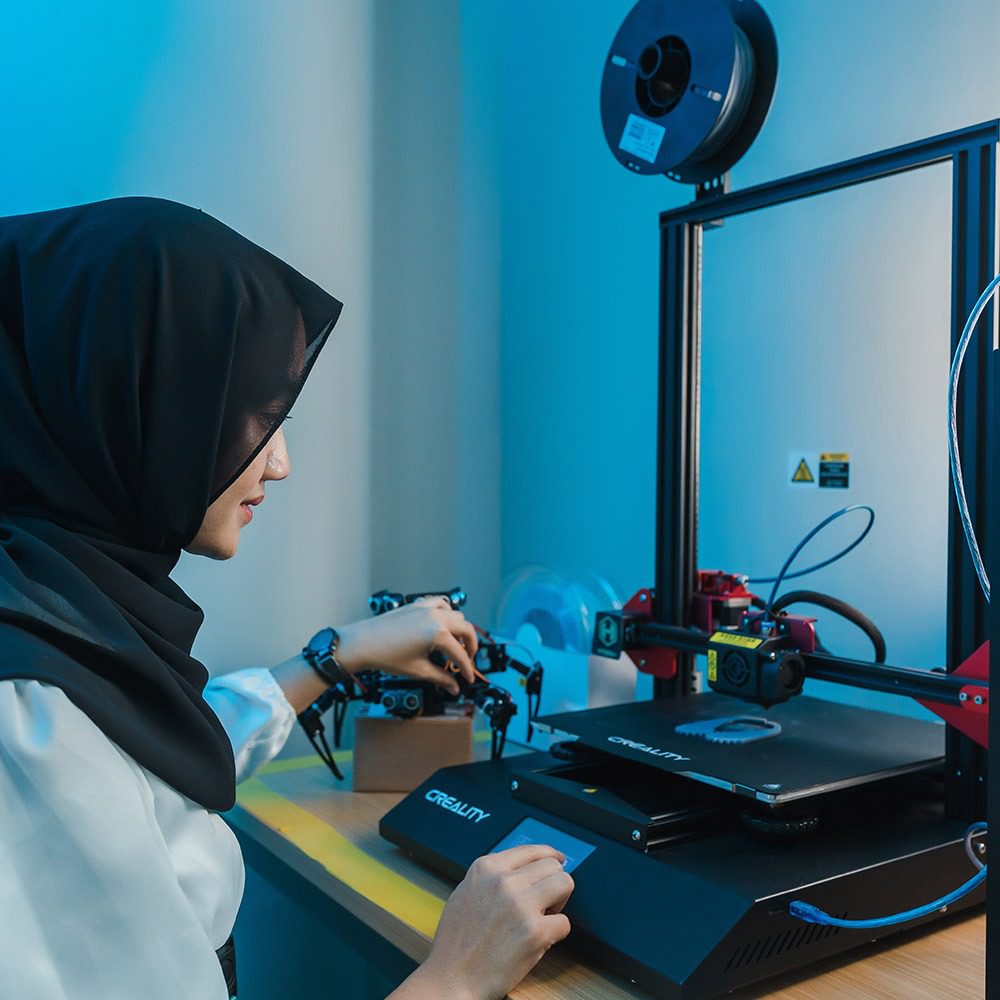
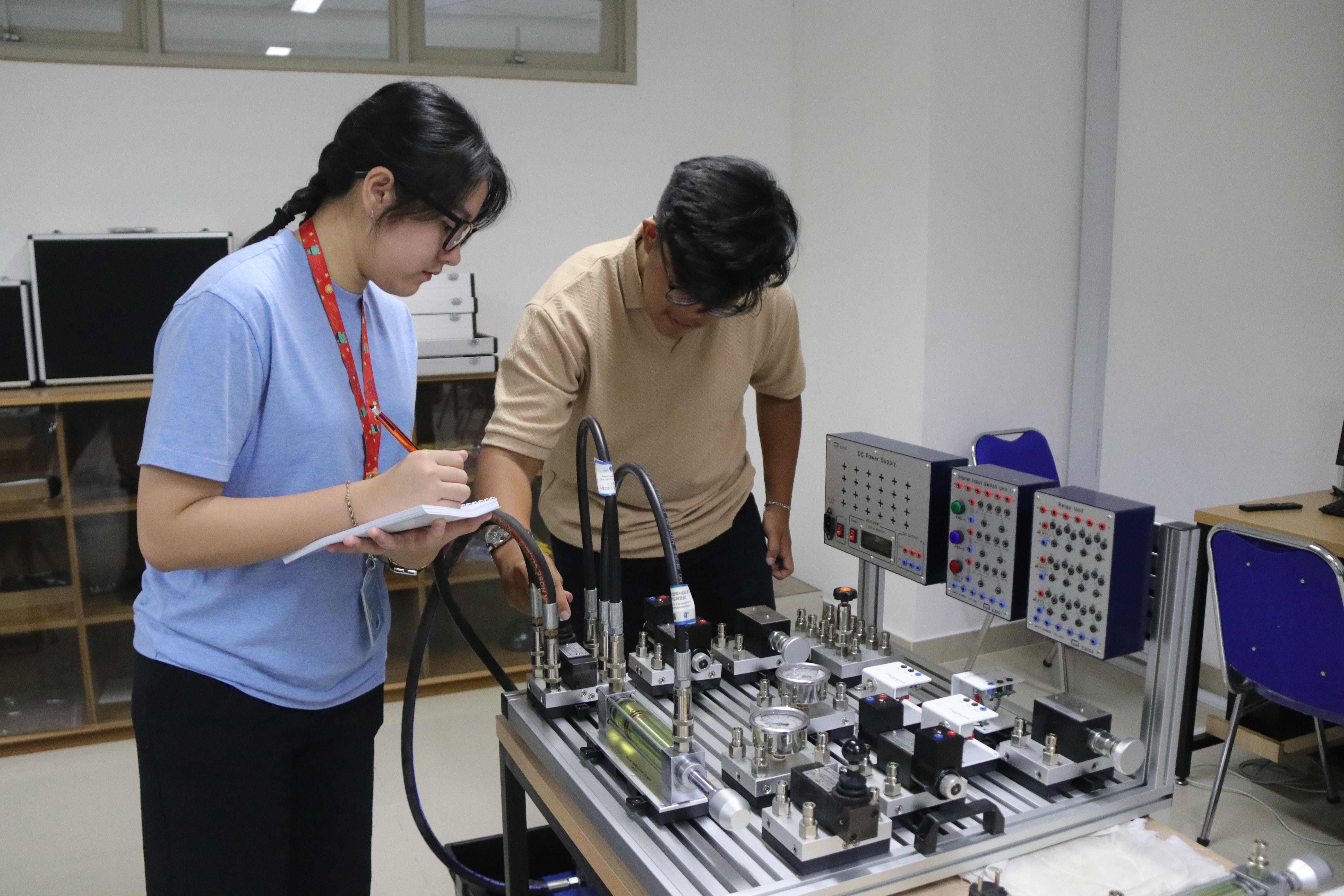
Electrical engineering programs focus on industrial automation, where industry automation helps to run production processes that humans cannot manage through the application of mechanics-based, electronic, and computer systems that would allow for control and control to be mechanized, of course, this would make human work much easier. For example, in the process of making an automobile, the design of each part is driven by an engine or robot that will speed and efficiency the production process. It is adapted to technological developments in the industrial age 4.0 so that students are expected to be able to cope with growing industrial development over time to bring changes to the world.
FAQ
Why Choose Electrical Engineering at UMN?
The Electrical Engineering Study Program at Universitas Multimedia Nusantara (UMN) is an excellent choice for prospective students who are interested in learning about electrical technology, electronics, control systems, and various innovations that support the development of modern industries. The program is designed to equip students with knowledge, skills, and experience that are relevant to the needs of the workforce in the era of digital transformation.
Throughout their studies, students will learn various fields of Electrical Engineering, ranging from the fundamentals of electricity, analog and digital electronics, control systems, instrumentation, and telecommunications to intelligent systems that are widely applied across various industrial sectors. The curriculum is designed to keep pace with technological developments, helping students understand how to design, develop, and optimize electronic systems to address various real-world challenges.
Learning in Electrical Engineering at UMN does not focus solely on theory but also provides students with numerous opportunities to develop their skills through practical sessions, projects, research, and collaborations with industry. These experiences help students understand the application of the knowledge they acquire while developing analytical, problem-solving, communication, and teamwork skills.
Students also have opportunities to participate in various activities outside the classroom, such as internships, competitions, professional certifications, seminars, and collaborations with industry partners. These activities provide practical experience while broadening students’ understanding of technological developments and industry needs.
One of the advantages of the Electrical Engineering Study Program at UMN is its accreditation by IABEE (Indonesian Accreditation Board for Engineering Education). This accreditation demonstrates that the Electrical Engineering program at UMN meets quality standards for higher education in engineering that are nationally recognized and aligned with international standards. With IABEE accreditation, the curriculum, learning processes, and graduate outcomes are designed to meet the competencies required by professional and industrial sectors.
Graduates of Electrical Engineering at UMN have broad career prospects across various sectors, including manufacturing, energy, telecommunications, automation, information technology, and companies engaged in electronic devices. Some of the career opportunities include Electrical Engineer, Control System Engineer, Instrumentation Engineer, Automation Engineer, Telecommunication Engineer, Embedded System Engineer, IoT Engineer, and Research and Development (R&D) Engineer.
With a curriculum that keeps pace with technological developments, laboratory facilities, practical learning experiences, and recognition through IABEE accreditation, the Electrical Engineering Study Program at UMN prepares students to become competent and innovative graduates who are ready to contribute to technological development at both the national and global levels.
How to Apply to Electrical Engineering at UMN?
Prospective students who wish to join the Electrical Engineering Study Program at UMN can apply through the various admission pathways available at UMN. The application process is conducted online by completing the application form, submitting the required documents, and completing the selection stages according to the chosen admission pathway.
For information regarding admission schedules, requirements, tuition fees, scholarships, and available admission pathways, prospective students can visit the UMN New Student Admission (PMB) website or contact the UMN admissions team. By obtaining complete information, prospective students can choose the admission pathway that best suits their needs and educational plans.
What Will You Learn in Electrical Engineering at UMN?
The Electrical Engineering Study Program at Universitas Multimedia Nusantara (UMN) focuses on the application of electrical engineering, electronics, control systems, and intelligent technologies to create various solutions needed by industries and society. The program is designed to equip students with theoretical knowledge as well as practical skills, enabling them to keep up with continuously evolving technological developments.
At the beginning of their studies, students will learn fundamental subjects such as mathematics, physics, basic electrical engineering, analog and digital electronics, programming, and electrical circuits. These subjects provide the foundation for understanding how various electronic systems and technologies used in everyday life work.
As they progress through their studies, students will explore various fields that are central to Electrical Engineering. The subjects covered include electrical power systems, control systems, instrumentation, telecommunications, electronics, embedded systems, Internet of Things (IoT), and technologies based on artificial intelligence, which are increasingly being applied across various industrial sectors.
In addition to understanding concepts and theories, students will participate in various practical sessions to test and apply the knowledge they have learned. These practical sessions provide hands-on experience in designing electronic circuits, performing measurements, programming devices, and developing systems that can address various real-world problems.
Students in Electrical Engineering at UMN will also work on various projects that develop their critical, analytical, and creative thinking skills. Through these projects, students learn to develop technological solutions, from the design stage through system testing. This experience helps students understand how Electrical Engineering knowledge can be applied to address the needs of industries and society.
In addition to technical competencies, students also develop various soft skills required in the professional world, such as communication, teamwork, leadership, project management, and systematic problem-solving skills. These skills provide an important foundation as students enter an increasingly dynamic workforce.
To enrich their learning experience, students have opportunities to participate in internships, research, competitions, seminars, and collaborations with industry partners. These activities help students understand the latest technological developments while building their portfolios and gaining professional experience before graduation.
After completing their studies, graduates of Electrical Engineering at UMN are expected to be able to design, develop, operate, and evaluate various electrical and electronic systems according to industry needs. These competencies open up career opportunities in various fields, including energy, manufacturing, telecommunications, industrial automation, electronic devices, and the continuously evolving digital technology sector.
Through a curriculum that is relevant to industry needs, practical learning experiences, and opportunities to develop both technical and non-technical competencies, the Electrical Engineering Study Program at UMN prepares students to become graduates who are ready to face the challenges and opportunities of an era of technological transformation.
What Is the Difference Between the Regular Program and International Program in Electrical Engineering at UMN?
The Electrical Engineering Study Program at Universitas Multimedia Nusantara (UMN) offers two study options: the Regular Program and the International Program. Both programs share the same goal of equipping students with competencies in electrical engineering through a curriculum that is relevant to technological developments and industry needs. The differences lie in the learning experience, language of instruction, and opportunities to gain academic experience at the international level.
The Regular Program is designed to provide a comprehensive learning experience through lectures, practical sessions, and various projects that support the development of competencies in electrical engineering. Students will study various fields, including electrical power systems, electronics, control systems, telecommunications, instrumentation, as well as technologies based on the Internet of Things (IoT) and artificial intelligence.
Meanwhile, the International Program provides a learning experience with a global perspective. In this program, students will take certain courses using English as the language of instruction. This learning environment helps students improve their academic and professional communication skills in English while preparing them to pursue careers at the international level.
Students in the International Program also have opportunities to participate in various international programs facilitated by UMN, such as student exchanges, international mobility programs, academic collaborations with partner universities, and overseas learning experiences, subject to the applicable program requirements. These opportunities allow students to broaden their perspectives, build international networks, and understand technological developments from various perspectives.
Both the Regular Program and the International Program follow a curriculum based on the same learning outcomes. Students from both programs will study core competencies in Electrical Engineering, ranging from the fundamentals of electricity and electronics to the development of technological solutions that can be applied across various industrial sectors. Therefore, academic quality and graduate competencies remain priorities in both programs.
The choice between the Regular Program and the International Program can be tailored to each prospective student’s academic goals and personal development plans. For students who wish to gain experience in an international learning environment, improve their English proficiency, and expand their global networks, the International Program can be an appropriate choice. Meanwhile, the Regular Program continues to offer a high-quality learning experience with a curriculum that is relevant and oriented toward industry needs.
Before making a decision, prospective students are encouraged to learn more about the curriculum, tuition fees, and various academic opportunities available in each program. By understanding the characteristics of both pathways, prospective students can choose the program that best suits their interests, needs, and future career goals.
Do You Need to Be Good at Coding to Study Electrical Engineering at UMN?
No. Prospective students do not need to be proficient in coding before entering the Electrical Engineering Study Program at Universitas Multimedia Nusantara (UMN). Programming skills will be learned gradually throughout the study period according to the requirements of the courses taken. Therefore, students with no prior coding experience can still follow the courses successfully.
It is important to understand that Electrical Engineering is not a study program focused solely on programming. Coding is indeed one of the skills students will learn, but it is primarily used to support the development of various electronic systems, control systems, embedded systems, Internet of Things (IoT) applications, and automation technologies.
For example, when developing an IoT device, students do not simply write program code. They also learn how sensors work, how electronic circuits function, how microcontrollers operate, and how all these components can be connected to form a properly functioning system. In other words, programming is only one part of the technology development process.
In addition to coding, Electrical Engineering students will study various other important concepts, such as engineering mathematics, physics, analog and digital electronics, electrical power systems, control systems, instrumentation, telecommunications, and electrical circuit analysis. These courses help students understand the principles behind technologies used across various industrial sectors.
What is more important for studying Electrical Engineering is having logical and analytical thinking skills, as well as curiosity about how technology works. Students will often face challenges that require them to analyze problems, test various alternative solutions, and design systems that operate effectively and efficiently. These abilities will develop through learning, practical sessions, and various projects throughout the study period.
For prospective students who already have coding experience, this skill can certainly be an advantage. However, students who have never learned programming do not need to worry. Lecturers will first introduce the fundamental concepts before students move on to more complex topics. With consistent practice and a willingness to keep learning, coding skills can develop throughout the course of study.
If you are interested in learning about technology, electronic devices, automation systems, energy, or innovations that support industrial development, Electrical Engineering at UMN can be an excellent choice. The program does not require prospective students to be proficient in coding from the beginning, but rather values a willingness to learn, systematic thinking skills, and the desire to continuously develop alongside technological advancements.
What Are the Career Prospects for Electrical Engineering Graduates from UMN?
Graduates of the Electrical Engineering Study Program at Universitas Multimedia Nusantara (UMN) have broad career prospects as technology continues to develop rapidly across various industrial sectors. Digital transformation, automation, the Internet of Things (IoT), renewable energy, and smart manufacturing continue to increase the demand for professionals with expertise in electrical engineering.
During their studies in Electrical Engineering at UMN, students are equipped with knowledge and skills in electrical engineering, electronics, control systems, telecommunications, instrumentation, and smart device-based technologies. These competencies prepare graduates to design, develop, operate, and evaluate various electronic and electrical systems according to industry needs.
Graduates of Electrical Engineering at UMN have opportunities to pursue careers in various fields. Some of the professions they can pursue include Electrical Engineer, Control System Engineer, Automation Engineer, Instrumentation Engineer, Telecommunication Engineer, Embedded System Engineer, IoT Engineer, Power System Engineer, Research and Development (R&D) Engineer, and Project Engineer. In addition, graduates have opportunities to work in technology companies, manufacturing, energy, telecommunications, automotive, healthcare, and government institutions.
The success of Electrical Engineering graduates from UMN is also reflected in the careers of its alumni, who have worked at various national and multinational companies. UMN Electrical Engineering alumni contribute across various fields, ranging from electrical system engineering, industrial automation, and telecommunications to electronic device development and digital technology. The experiences of these alumni demonstrate that the competencies acquired during their studies are capable of meeting the continuously evolving demands of the workforce.
As part of UMN’s commitment to maintaining educational quality, the Electrical Engineering Study Program has also obtained IABEE (Indonesian Accreditation Board for Engineering Education) accreditation. This accreditation demonstrates that the curriculum, learning processes, and graduate outcomes meet nationally recognized engineering education standards and are aligned with international standards. This recognition provides an added value for graduates when entering the professional world or pursuing further education.
In addition to working across various industries, graduates of Electrical Engineering at UMN also have opportunities to become researchers, academics, or entrepreneurs who develop technology-based products and solutions. The ability to adapt to technological developments and integrate engineering knowledge to solve various challenges provides graduates with an important foundation for building their careers.
With a relevant curriculum, practical learning experiences, support from qualified lecturers and learning facilities, recognition through IABEE accreditation, and an alumni network working across various industrial sectors, the Electrical Engineering Study Program at UMN prepares graduates to become competent and innovative professionals who are ready to face the challenges of the workforce at both the national and international levels.
Accreditation Table
| Institution Accreditation |
National Accreditation |
International Accreditation |
 |
 |
 |
ECTS Points Table
| ECTS Points | 146 SKS |
| Education Type | Bachelor Program |
| Duration | 4 years |
| Language | Bahasa Indonesia |
| Bachelor's Degree | Bachelor of Engineering |
Vision & Mission
Vision
Into a single advanced electrical engineering program that results in internationally insightful competent graduates, focused on industrial automation, entrepreneurial and noble-minded.
Mission
- Administer the best methods and technologies that the curriculum supports and the best teaching people who have high competence in electrical engineering.
- Carries out research activities that develop science in electrical engineering in particular the industrial automation and support teaching processes.
- Carry out activities and services in electrical engineering that benefit the industry, government, and community development.
Career Prospect
Electronic engineering studies graduate may have career prospects in the following areas:
- Industrial Position (oil & gas company, power generator, real estate & property, public service/utility company):
a. Industrial Automation Engineer
b. Supply Chain expert
c. Hardware engineer
d. Plant engineer
e. Instrument Engineer
f. Project Engineer
g. Embedded Engineer
h. Research & Development (R&D) - Academics & Researcher
- Consultant:
a. Industrial Automation
b. Instrumentation - Technopreneur
- Government/Regulatory Agency
Further Study
Graduate students of electrical engineering studies have had extensive opportunities to further education into master’s or masters at both domestic and foreign colleges.
Graduates can take master degree on the field:
- Control Engineering
- Electrical & Electronics Engineering
- Mechatronics
- Industrial Automation
- Digital Signal Processing
- Sustainable Energy Technology
- Industrial Engineering
- Computer Engineering
Learning Attainment
- Have an understanding of professional responsibility and adhere to professional ethics. (professional professionals)
- Have an awareness of the need and ability for lifelong learning. (long life learning)
- Has the ability to communicate effectively. (communication skills)
- Are almost as much about cooperative as almost multidisciplinary teams. (teamwork)
- Has extensive understanding of the impact of technical solutions in global and social context. (societal impact)
- Has the ability to apply a knowledge of mathematics, science, information technology and perseverance. (scientific ingenuity)
- Has the ability to design components, systems and/or processes to meet the desired needs.(Design Abilities)
- Has the ability to design and implement laboratory and/or field experiments and analyze and interpret data. (application training) has the ability to identify, formulate, analyze and resolve problems of perseverance. (Experimental Training)
- Memiliki kemampuan mengidentifikasi, merumuskan, menganalisis dan menyelesaikan permasalahan keteknikan. (Problem Solving).
- Has the ability to apply the methods, skills and tools of modern information technology and techniques needed for the practice of perseverance. (Technical Knowhow)
- Acquired knowledge of current issues that are relevant. (Contemporary Issues)
- Has the ability to automate processes at the level needed and within the limits of industry. (Engineering Constraints)
- Has the ability to create an efficient industrial automation system to be used on a large scale. (Precision Engineering Skill)
- Precision engineering skills has the precision of entrepreneurship for technology and engineering development. (Entrepreneurship)
Graduate Profile
Becoming an individual with the ability and knowledge of electrical engineering in industrial automation that can be used to address problems in industrial automation, society or the education sector.
To become individuals who have applied professional ethics, responsibilities, integrity and lifelong learning in industrial automation to continue to innovate.
Menjadi individu yang menerapkan etika profesi, tanggung jawab, integritas dan pembelajaran seumur hidup dalam bidang otomasi industri sehingga mampu terus berinovasi
Curriculum
The student in electrical engineering umn will learn about control systems, industrial robotics, mekatronics to intelligent control systems during a study period in electrical engineering. In general, the curriculum of electrical engineering umn may be explained as follows.
Year 1: students will learn about understanding the basics of engineering, engineering mathematics, and calculus. In addition, in this first year students will be introduced to data structures and algorithms.
Year 2 : students will learn about the basics of electrical engineering, electrical materials, and control systems. Then students will also begin to be introduced to digital systems and programming.
Year 3: students will study the different types of systems such as electrical power systems, digital control systems, multivariable control systems and embedded system designs. Not only that, in this third year students will be supplemented with a knowledge of an ethics – diligence.
Year 4: students will learn what is the focus of the umn electrical engineering study program, the control system, industrial robotics, mekatronics, and technopreneurship to prepare students for the opportunity to become technologically entrepreneurs. This year students will be performing apprenticeships in manufacturing companies until they get a big startup and become a year of preparation for their final project.
Entry Requirement
- High school Science Majors
- SMK Graduate, industrial electronics engineering, electrical engineering, air conditioning and engineering, mechanical engineering, computer and network engineering, electronic engineering, mekatronika, instrumenmen.
Partnership & Collaborations
UMN’s Electrical Engineering Study Program has collaborated with RFH Germany in the preparation of practicum models, the implementation of practicum and remote practicum implementation for Programmable Logic Controller (PLC) courses
Academic Collaboration
Cooperation University
Cooperation Partner
Why choose UMN’s
Electrical Engineering?
Electrical engineering programs focus on industrial automation, where industry automation helps to run production processes that humans cannot manage through the application of mechanics-based, electronic, and computer systems that would allow for control and control to be mechanized, of course, this would make human work much easier. For example, in the process of making an automobile, the design of each part is driven by an engine or robot that will speed and efficiency the production process. It is adapted to technological developments in the industrial age 4.0 so that students are expected to be able to cope with growing industrial development over time to bring changes to the world.
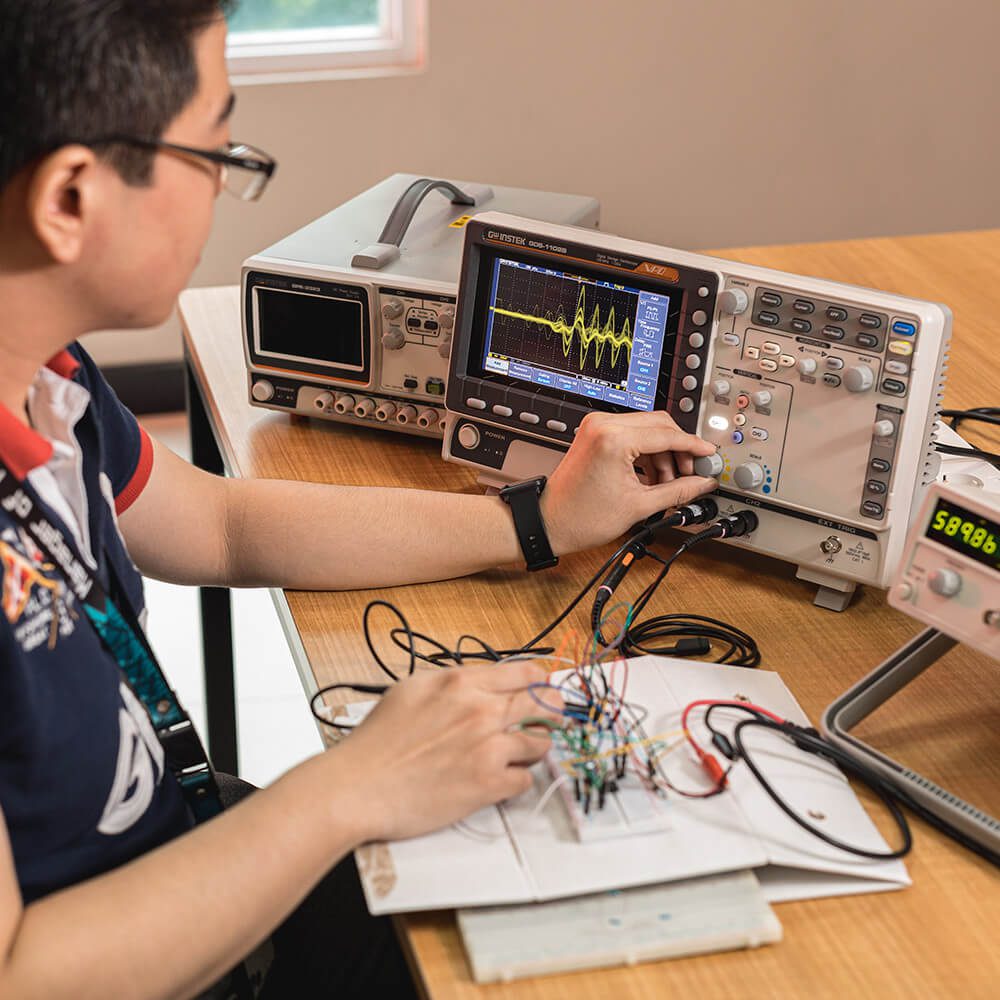
ECTS Points Table
| ECTS Points | 146 SKS |
| Education Type | Bachelor Program |
| Duration | 4 years |
| Language | Bahasa Indonesia |
| Bachelor's Degree | Bachelor of Engineering |
Career Prospect
Electronic engineering studies graduate may have career prospects in the following areas:
- Industrial Position (oil & gas company, power generator, real estate & property, public service/utility company):
a. Industrial Automation Engineer
b. Supply Chain expert
c. Hardware engineer
d. Plant engineer
e. Instrument Engineer
f. Project Engineer
g. Embedded Engineer
h. Research & Development (R&D) - Academics & Researcher
- Consultant:
a. Industrial Automation
b. Instrumentation - Technopreneur
- Government/Regulatory Agency
Further Study
Graduate students of electrical engineering studies have had extensive opportunities to further education into master’s or masters at both domestic and foreign colleges.
Graduates can take master degree on the field:
- Control Engineering
- Electrical & Electronics Engineering
- Mechatronics
- Industrial Automation
- Digital Signal Processing
- Sustainable Energy Technology
- Industrial Engineering
- Computer Engineering
Student Scholarships
UMN scholarship program is offered to high school students in 12th grade who have academic, sports, and artistic achievements while in 11th grade. In addition, UMN also offers the program to high school/vocational school students who won medals in the National and International Science Olympics. As a form of appreciation for the dedication of teachers and employees/ staff in educating the nation's children, UMN provides scholarships in the form of a 50% reduction in fees for teachers/principals and a 30% reduction in fees for children of the employees/staff in high schools/vocational schools (both public and private) who want to continue their education at UMN.
Entry Requirement
- High school Science Majors
- SMK Graduate, industrial electronics engineering, electrical engineering, air conditioning and engineering, mechanical engineering, computer and network engineering, electronic engineering, mekatronika, instrumenmen.
Students are required to attend academic guidance meetings at least 3 times per semester. The schedule of the meetings will be provided by the respective academic supervisors. Students have to bring the academic guidance book for the meeting and they need to make sure that the academic supervisor signs it.
Continuing Education Department (CED) adalah program pengembangan pendidikan di Universitas Multimedia Nusantara (UMN) yang merupakan bagian dari Grup Kompas Gramedia. Kami memiliki berbagai program dalam kursus bahasa, pengembangan manusia, Pusat Pengujian untuk sertifikasi nasional dan internasional, dan program pelatihan. CED UMN dirancang untuk memenuhi kebutuhan siswa sekolah menengah dan perguruan tinggi, serta masyarakat dan profesional.
Students are encouraged to find their own companies / agencies for their internships that align with the focus of the Electrical Engineering Study Program i.e. Industrial Automation. Information about available internships can be obtained from other students, social media, job fairs, advertisements in print or electronic media or even through the UMN Career Development Center (CDC).
To complete the Undergraduate Program (S-1) at Multimedia Nusantara University, students must prepare, present, and defend the thesis in front of the thesis examination board, in accordance with the provisions of the study program. The preparation of the thesis is done individually and the students can choose the supervisor directly provided that the selected supervisor agrees.
In connection with the New Normal regulations, UMN implements its teaching system in accordance with the Press Release of the Ministry of Education and Culture of the Republic of Indonesia Number 137/sipers/A6/VI/2020 concerning Guidelines for The Implementation of Learning in the School Year and New Academic Year during the COVID-19 Pandemic, Chapter of the Learning System in the Higher Education Environment.
Graduation requirements
Curriculum Electrical Engineering
The student in electrical engineering umn will learn about control systems, industrial robotics, mekatronics to intelligent control systems during a study period in electrical engineering. In general, the curriculum of electrical engineering umn may be explained as follows.
Year 1: students will learn about understanding the basics of engineering, engineering mathematics, and calculus. In addition, in this first year students will be introduced to data structures and algorithms.
Year 2 : students will learn about the basics of electrical engineering, electrical materials, and control systems. Then students will also begin to be introduced to digital systems and programming.
Year 3: students will study the different types of systems such as electrical power systems, digital control systems, multivariable control systems and embedded system designs. Not only that, in this third year students will be supplemented with a knowledge of an ethics – diligence.
Year 4: students will learn what is the focus of the umn electrical engineering study program, the control system, industrial robotics, mekatronics, and technopreneurship to prepare students for the opportunity to become technologically entrepreneurs. This year students will be performing apprenticeships in manufacturing companies until they get a big startup and become a year of preparation for their final project.
Course Details
PSTE UMN mengelompokan matakuliah dalam kurikulum menjadi beberapa kelompok mata kuliah yang menjadi fokus utama adalah otomasi industry. Pengelompokan matakuliah sebagai berikut.
Curriculum Overview







To support the learning process, umn provided a complete and sophisticated college facility, according to industrial standards. Through the existence of the facility, students have been invited to be close to the industrial world since sitting in college and to have competence that matches the needs of the industry. That way, it will make it easier for umn students to find jobs, even before graduation.

A laboratory equipped with technological tools that can help students hold discussions and design concepts. […]
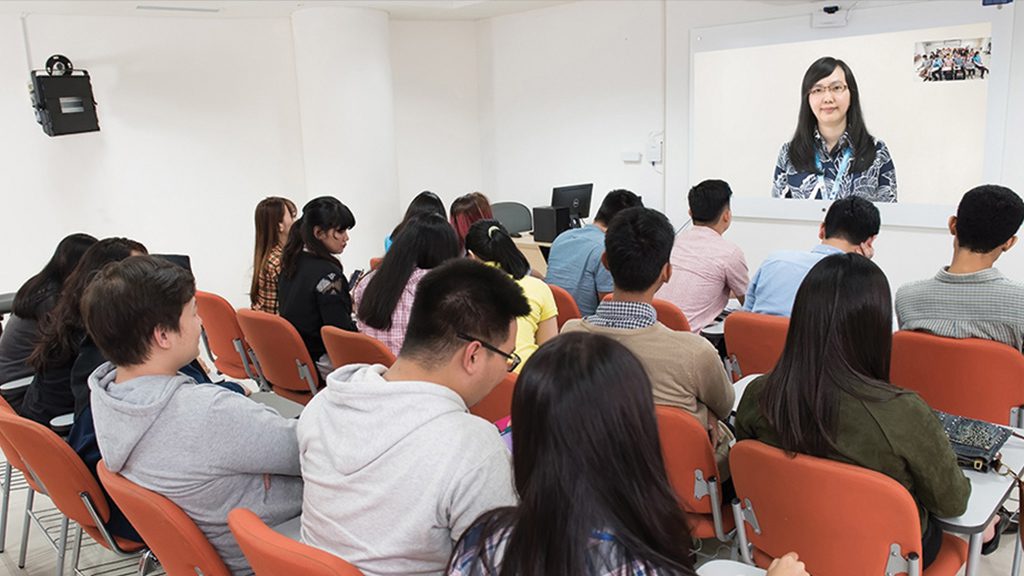
UMN is committed to advancing digital and online learning as an integral part of its […]

This modern theater hall has a capacity of up to 200 people. This room is […]

With the extent of modern interior designs, tens of thousands of local and international reading […]

Every UMN student holds an account to log in to the MYUMN application that provides […]

UMN’s Wi-Fi has a free flow system where UMN students are not charged with cellular […]
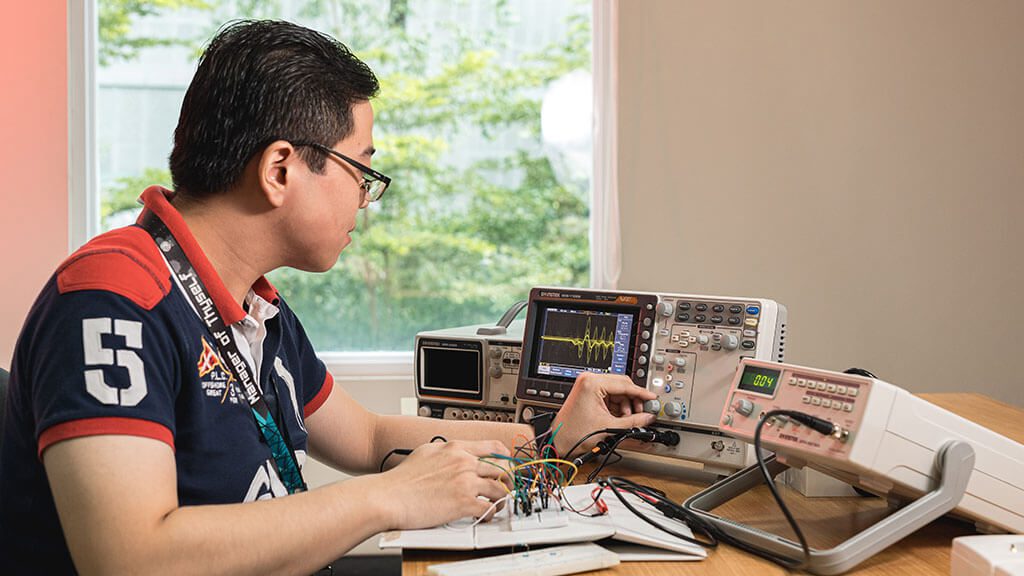
A tool that can be used by students to design electronic devices directly from software […]
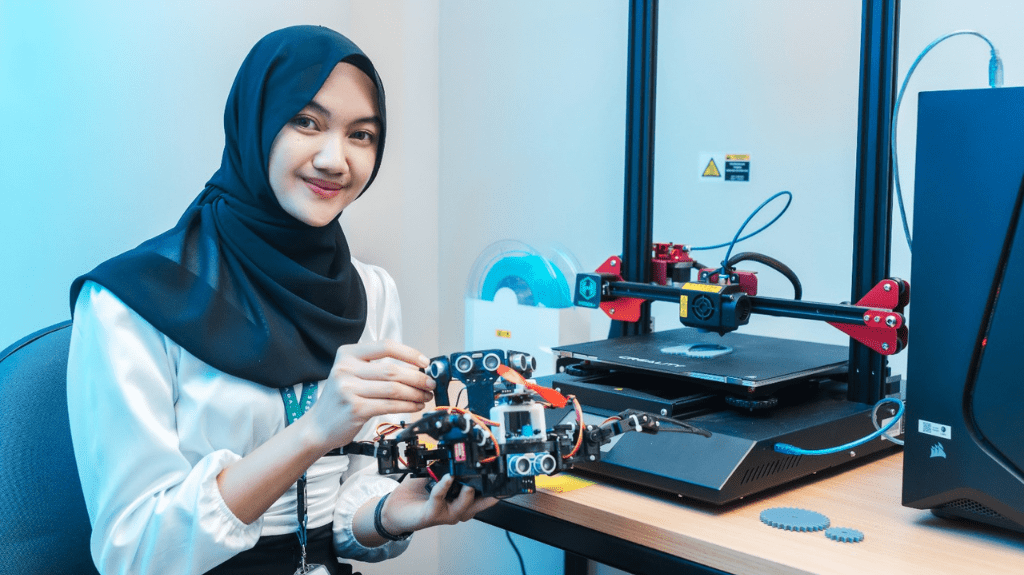
Means that can be used to support thesis and final assignment activities of students.
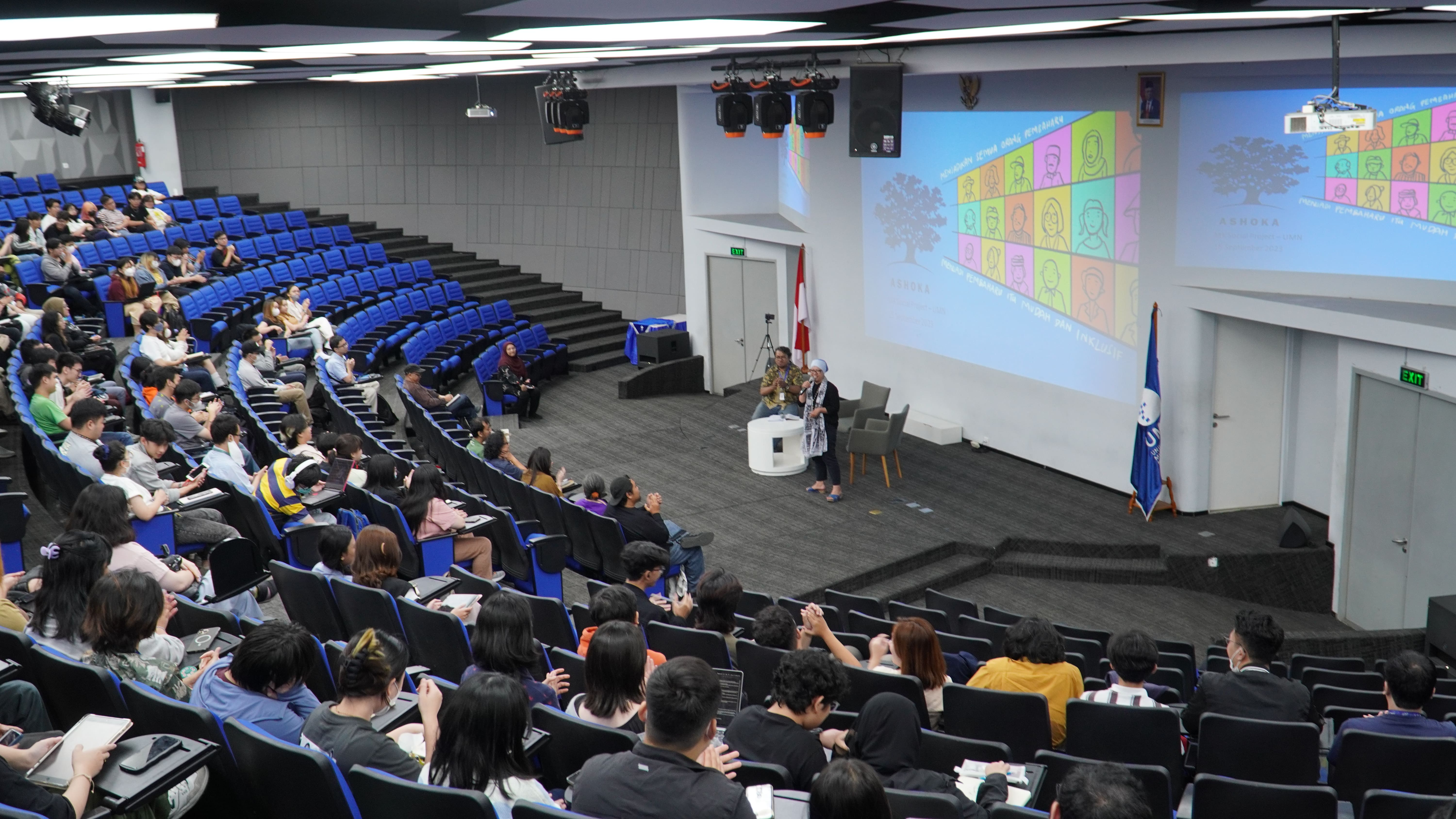
With a larger capacity compared to the other halls, the Lecture Theatre can accommodate up […]

UMN became the first campus established by Kompas Corner. Here, UMN students can access information […]
Extracurricular Student Activities
In order to help students explore and develop their non-academic potentials, UMN also provides a variety of extra-curricular activities for students which is locally called UKM, Student Activity Unit.

Student who are Nature Lovers in University Multimedia Nusantara can join and participate in UMN’s […]

Ultima Sonora is the Universitas Multimedia Nusantara Choir ensemble which has been established since 2007. […]

UMN Symphony Orchestra (USO), is one of the arts and culture UKM at UMN. As […]

Traditional Music and Dance or familiarly known as TRACCE is one of the Student Activity […]

Qorie is one of the many Student Activity Units at Universitas Multimedia Nusantara that has […]
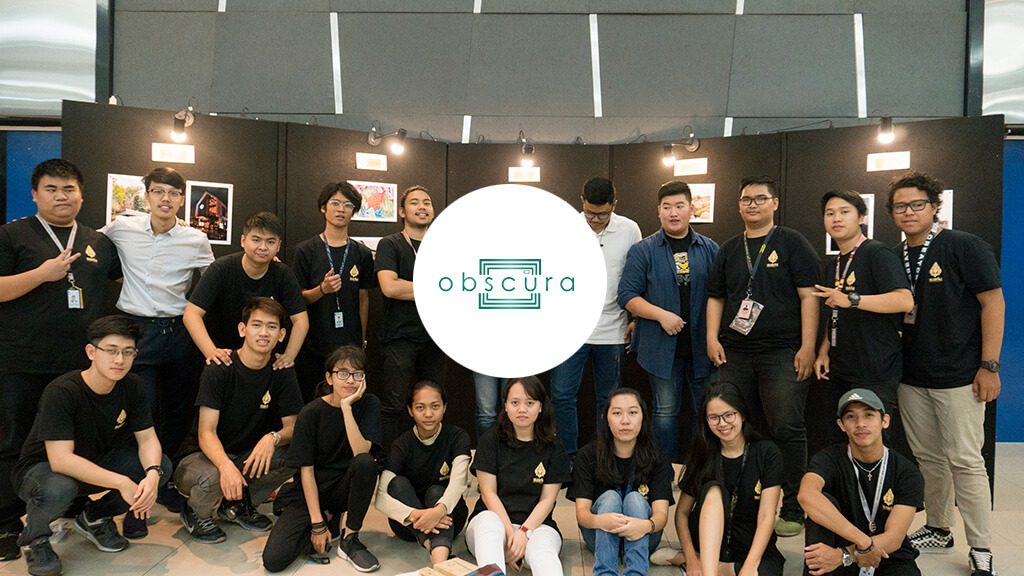
Obscura is a Student Activity Unit (UKM) engaged in photography under the auspices of Universitas […]

SEE OTHER
UMN’S STUDENT ACTIVITIES
Penelitian Hibah DIKTI - TE
Rekapitulasi Penelitian Internal - Teknik Elektro
Daftar Kegiatan PKM Dosen
Rekapitulasi Inovasi Hak Cipta - Teknik Elektro
Training & Certification
PLC (Programmable Logic Control) Competency Certification from TUV Rheinland and Festo
Competency Certification
Certification Program Title:
Programmable Logic Controller (PLC) Maintenance Technician with TÜV Rheinland Certified Qualification.
Admission Requirements:
Minimum educational background: Vocational High School, 4th grade,
majoring in: industrial automation, industrial electronics, mechatronics
Examination Components:
Practical exam
Required Competencies:
In the examination participants prove their knowledge in the following areas:
Able to identify type of input, output and related items of PLC
Able to read and understand wiring diagram
Able to install and test the PLC and related devices Able to modify simple ladder diagram

Green Building Training
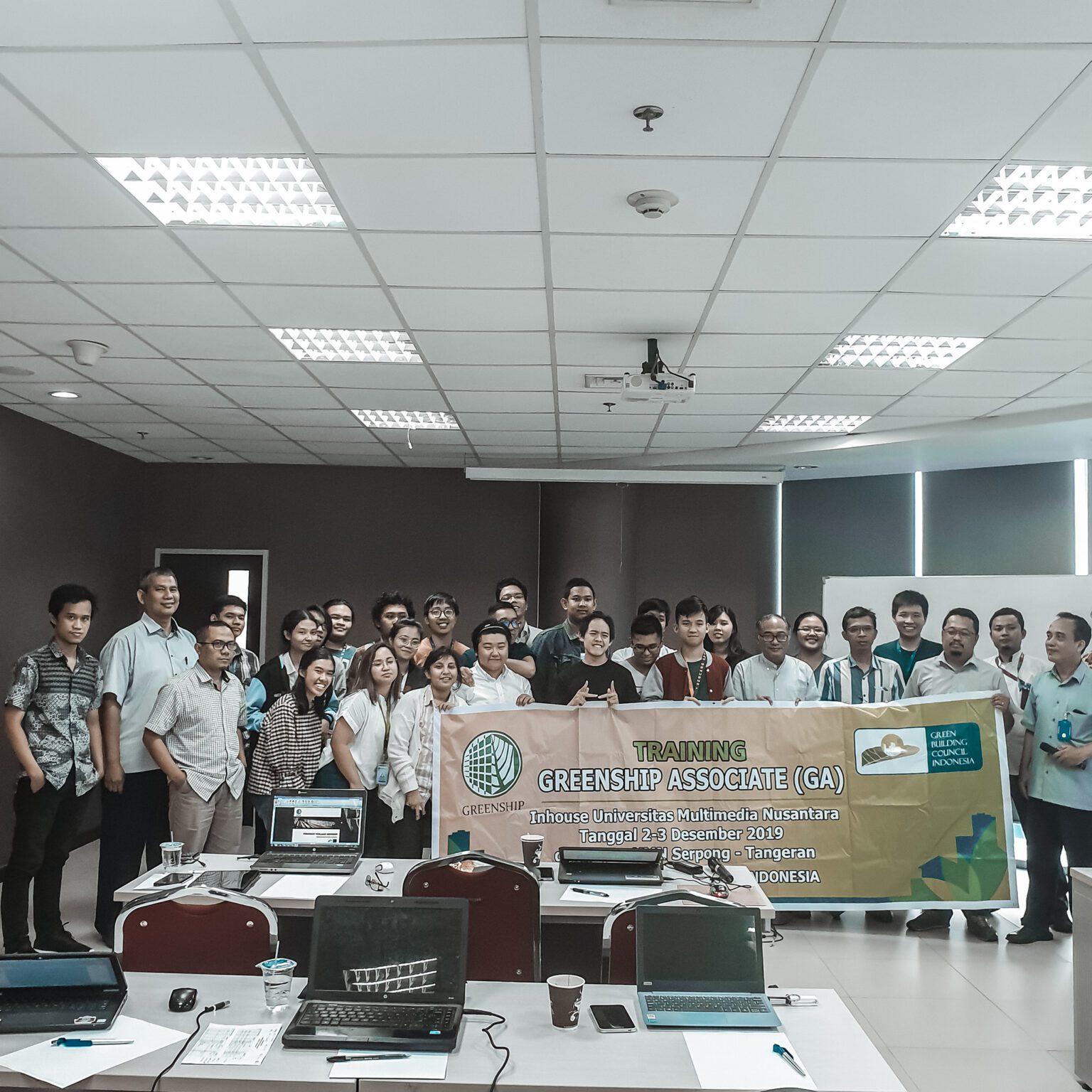
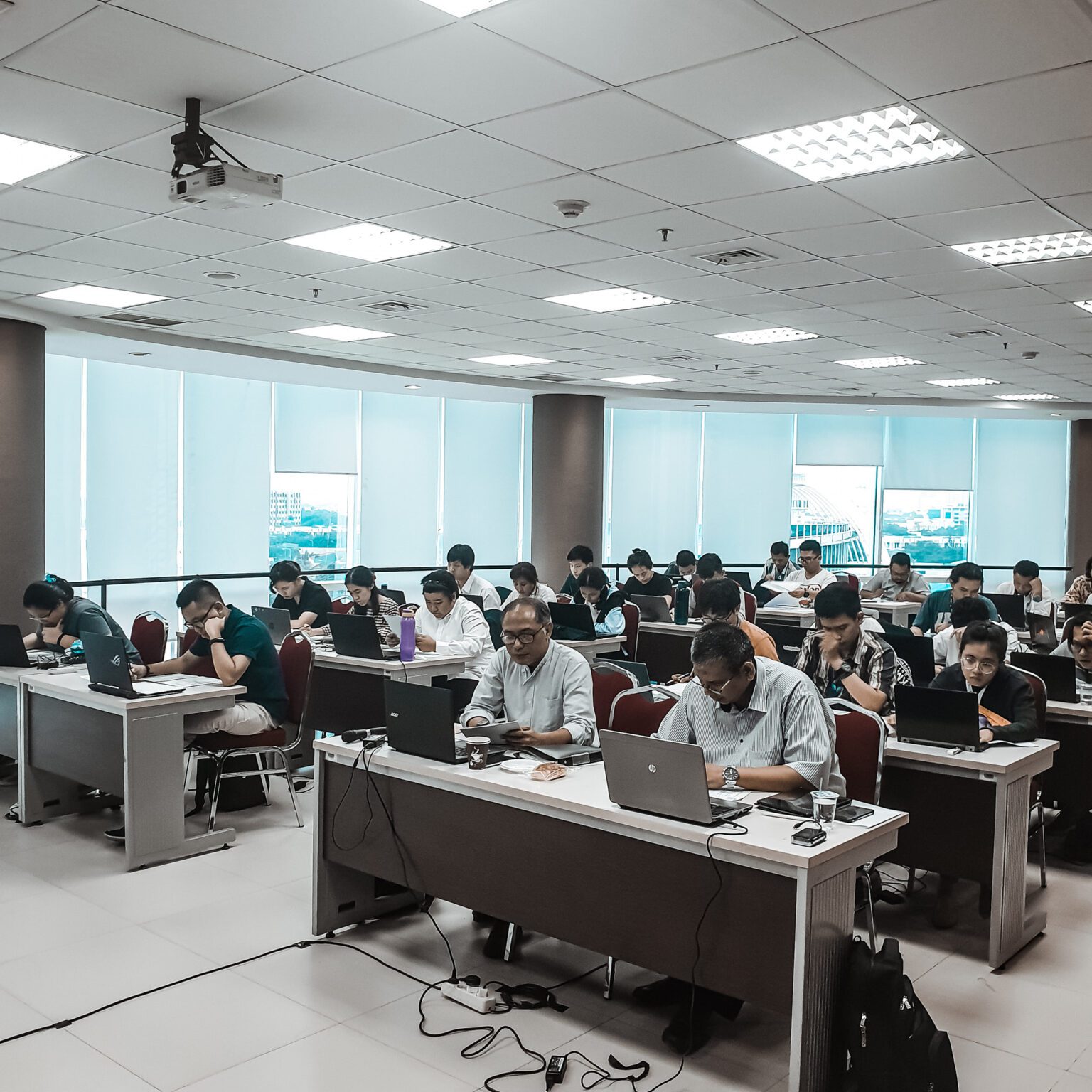


UMN collaborates with Green Building Council Indonesia (GBCI) to conduct Greenship Associate training and certification at UMN every beginning of December. This training is a facility for UMN Physics Engineering students as well as the outside community to gain learning experience and also certification in the field of green building. For further information on this training, please contact ced[at]umn.ac.id.
Information Literacy
Information literacy is an ability that individuals have in determining, searching, managing and evaluating information effectively and efficiently. This training is open to UMN active students. For further information, please contact: library.umn.ac.id
Kuliah di Jurusan Teknik Elektro UMN tidak hanya teori saja yang didapatkan tetapi praktek, baik dari konsep dasar yang sangat kuat membantu dalam mendalami bidang ilmu yang saya tekuni, mahasiswa dituntut untuk aktif baik dalam merakit rangkaian listrik dari yang sederhana hingga berbagai macam projek robotika. Selama mengerjakan projek – projek tersebut, selalu diberikan bimbingan oleh dosen serta asisten laboratorium yang ahli di bidangnya. Tentunya sebagai mahasiswa, saya merasa sangat terbantu dengan berbagai fasilitas UMN.
Richard Howin
Mahasiswa Teknik Elektro 2018
Peraih beasiswa penuh selama tiga semester berturut-turut
Electrical Engineering
Electrical engineering programs focus on industrial automation, where industry automation helps to run production processes that humans cannot manage through the application of mechanics-based, electronic, and computer systems that would allow for control and control to be mechanized, of course, this would make human work much easier.