Undergraduate Program in
Engineering Physics
What is Engineering Physics?
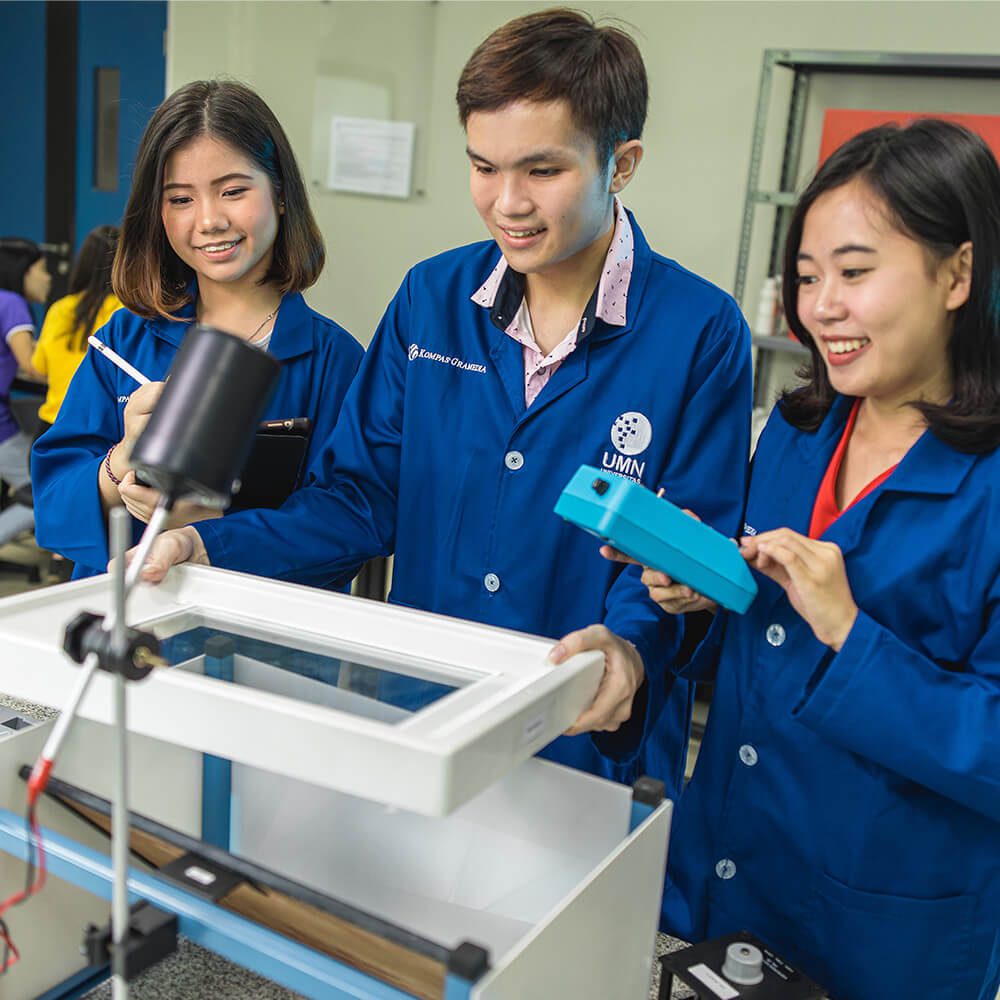
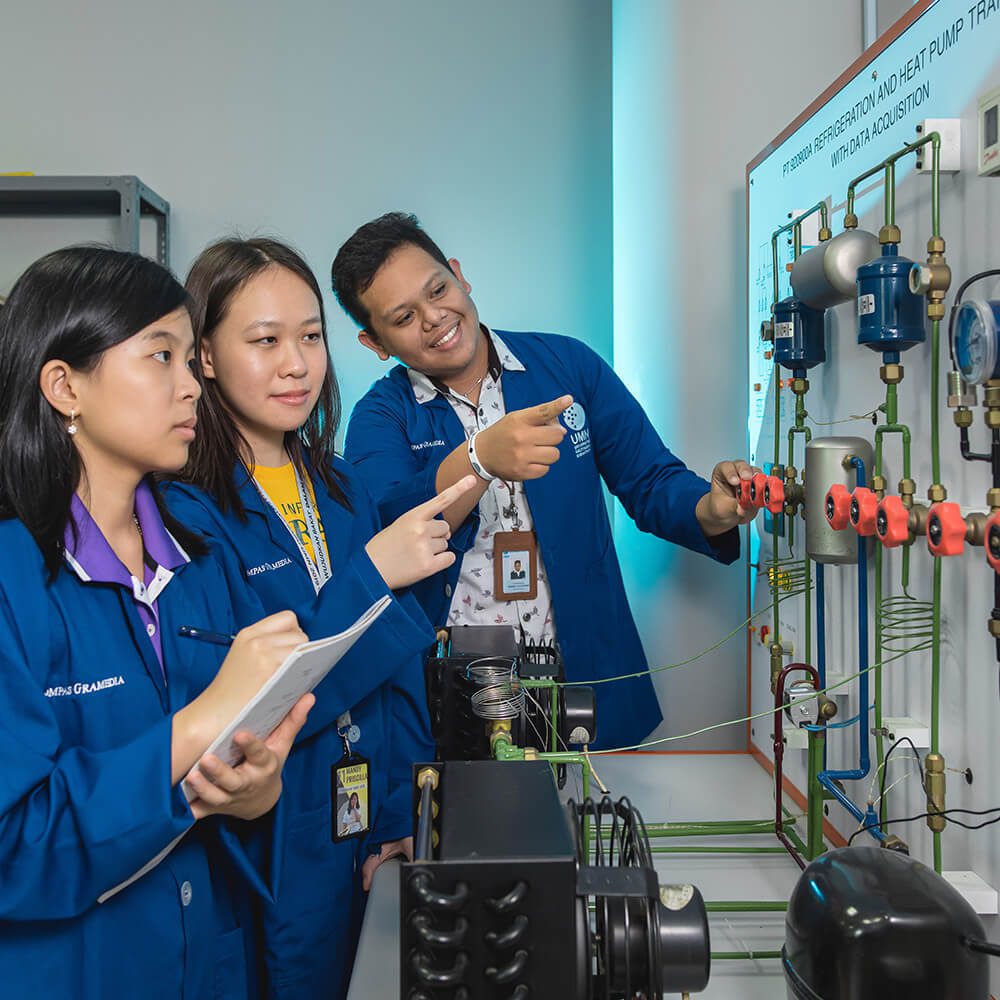
Physical engineering is a science of engineering combined with such basic sciences as mathematics, physics, and chemistry. Through this study program students will learn about the application of physical science to the use and harness of energy in daily life. For example, to use the principles of physics to build an energy-efficient, environmentally efficient building by installing a solar panel on the roof. In this case, the umn physics technique presents asa vessel for students to deflate the application of physics in energy use to deal with the future industry.
Why Choose UMN’s Engineering Physics?
Umn’s Engineering Physics studies are supported by highly supportive means and infrastructure, one of them is the new media tower and oetama tower of multimedia nusantara university, two of which have earned a national and international energy-efficient building recognition. This makes it an ideal building for students to study engineering physics in the energy use of a building. Through the building will help students understand and learn about energy – efficient buildings directly.
FAQ
Why Choose Engineering Physics at UMN?
The Engineering Physics Study Program at Universitas Multimedia Nusantara (UMN) is an excellent choice for prospective students who are interested in applying physics to create innovative technological solutions. Engineering Physics combines concepts from physics, mathematics, engineering, and technology to design, develop, and optimize various systems used in industry.
Unlike a pure physics study program, which focuses on the development of scientific knowledge, Engineering Physics places greater emphasis on applying physical principles to solve real-world problems. Students will learn how technology can be utilized to improve industrial process efficiency, develop energy systems, automation, instrumentation, and various intelligent technologies that support digital transformation.
The Engineering Physics curriculum at UMN is designed to keep pace with evolving industry needs. Students will study various fields, including instrumentation, control systems, Internet of Things (IoT), energy, data analysis, modeling and simulation, as well as artificial intelligence applied to engineering systems. This learning approach helps students understand the relationship between theory, technology, and industry needs.
In addition to gaining academic knowledge, students will gain experience through practical sessions, research, projects, competitions, and internship programs. These activities provide students with opportunities to develop analytical skills, critical thinking, communication, teamwork, and problem-solving abilities required in the professional world.
One of the advantages of Engineering Physics at UMN is its multidisciplinary learning approach. Students do not study a single field of knowledge but integrate various disciplines, including physics, electronics, information technology, and systems engineering. This approach provides graduates with the flexibility to adapt to technological developments and diverse industry needs.
Graduates of Engineering Physics at UMN have broad career prospects across various sectors, including manufacturing, energy, industrial automation, information technology, semiconductors, telecommunications, and companies engaged in research and technology development. The ability to analyze, design, and optimize systems is an added value that is highly sought after by industries today.
With a relevant curriculum, practical learning experiences, and a multidisciplinary approach that integrates science and engineering, the Engineering Physics Study Program at UMN prepares students to become adaptive and innovative graduates who are ready to contribute to addressing technological challenges at both the national and global levels.
How to Apply to Engineering Physics at UMN?
Prospective students who wish to join the Engineering Physics Study Program at UMN can apply through the various admission pathways available at UMN. The application process is conducted online by completing the application form, submitting the required documents, and completing the selection stages according to the chosen admission pathway.
For information regarding admission schedules, requirements, tuition fees, scholarships, and available admission pathways, prospective students can visit the UMN New Student Admission (PMB) website or contact the UMN admissions team. By obtaining complete information, prospective students can choose the admission pathway that best suits their needs and educational plans.
What Will You Learn in the Engineering Physics Program at UMN?
The Engineering Physics Study Program at Universitas Multimedia Nusantara (UMN) focuses on applying the principles of physics to design, develop, and optimize various technological systems used in industry. The program integrates physics, mathematics, engineering, and technology to equip students with the ability to address a wide range of engineering challenges through innovative solutions.
At the beginning of the program, students will study fundamental courses such as mathematics, basic physics, programming, mechanics, electronics, and measurement and instrumentation. These courses provide a strong foundation for understanding how systems work and how physical principles are applied in the development of technology.
As students progress through the program, they will explore various areas of Engineering Physics. The subjects covered include instrumentation and measurement systems, control systems, energy, modeling and simulation, Internet of Things (IoT), intelligent systems, data analysis, and the application of artificial intelligence in various engineering systems. Students will also learn how to integrate different technologies to improve the efficiency, reliability, and performance of a system.
In addition to classroom learning, students will participate in various practical sessions that allow them to gain hands-on experience with the concepts they have learned. Practical activities provide opportunities to conduct measurements, operate instruments, design systems, analyze data, and evaluate the performance of technologies. These experiences help students connect theoretical knowledge with its practical applications in industry.
Students in the Engineering Physics Study Program at UMN will also work on various projects designed to develop critical, analytical, and creative thinking skills. Throughout these projects, students learn to identify problems, design technology-based solutions, conduct testing, and evaluate the results. These skills provide an important foundation for addressing increasingly complex challenges in the professional world.
In addition to technical competencies, students will develop essential professional skills such as communication, teamwork, leadership, project management, and systematic problem-solving. These skills are particularly important because Engineering Physics graduates often work in multidisciplinary teams involving professionals from various fields.
To enrich their learning experience, students have opportunities to participate in internships, research projects, competitions, seminars, and collaborations with industry partners. These activities allow students to gain insights into the latest technological developments while building their portfolios and gaining professional experience before graduation.
Upon completing their studies, graduates of the Engineering Physics Study Program at UMN are expected to be able to design, develop, and optimize various technological systems that utilize the principles of physics. These competencies open career opportunities across various sectors, including manufacturing, energy, industrial automation, information technology, semiconductors, telecommunications, as well as research and technology development.
With a relevant curriculum, hands-on learning experiences, and a multidisciplinary approach that integrates science and engineering, the Engineering Physics Study Program at UMN prepares students to face the challenges and opportunities presented by the rapidly evolving technological landscape.
What Is the Difference Between the Regular Program and International Program in Engineering Physics at UMN?
The Engineering Physics Study Program at Universitas Multimedia Nusantara (UMN) offers two study pathways: the Regular Program and the International Program. Both programs share the same goal of equipping students with competencies in Engineering Physics through a curriculum that is relevant to industry needs and technological developments. The main differences lie in the learning experience, language of instruction, and opportunities to gain international academic exposure.
The Regular Program is designed to provide a comprehensive learning experience through lectures, practical sessions, research, and various projects that support the development of competencies in Engineering Physics. Students will study various fields, including instrumentation, control systems, energy, Internet of Things (IoT), modeling and simulation, data analysis, and the application of artificial intelligence in engineering systems.
Meanwhile, the International Program offers a learning experience with a global perspective. Students will take selected courses in English, allowing them to strengthen their academic and professional communication skills in an international environment. The program also provides opportunities for students to interact with guest lecturers, international students, and academic partners from various countries.
In addition, students in the International Program have opportunities to participate in various international programs facilitated by UMN, such as student exchange programs, international mobility, academic collaborations with partner universities, and overseas learning experiences, subject to the applicable program requirements. These opportunities allow students to broaden their global perspectives, understand technological developments from different viewpoints, and build international networks while pursuing their studies.
Both the Regular Program and the International Program follow the same learning outcomes. Students in both programs will develop core competencies in Engineering Physics, ranging from an understanding of fundamental physics principles to their application in the development of technology and engineering systems. Therefore, academic quality and graduate competencies remain priorities in both programs.
The choice between the Regular Program and the International Program can be tailored to each prospective student’s academic goals and personal development plans. For students who want to gain international learning experience, improve their English proficiency, and expand their global networks, the International Program can be an appropriate choice. Meanwhile, the Regular Program continues to offer a high-quality learning experience through a relevant curriculum oriented toward industry needs.
Before making a decision, prospective students are encouraged to review the curriculum, tuition fees, and academic opportunities available in each program. By understanding the characteristics of both pathways, prospective students can choose the program that best matches their interests, needs, and future career goals.
Do You Need to Be Good at Coding to Study Engineering Physics at UMN?
No. Prospective students do not need to be proficient in coding before entering the Engineering Physics Study Program at Universitas Multimedia Nusantara (UMN). Programming skills will be developed gradually throughout the program according to the requirements of each course and the students’ developing competencies. Therefore, students with no prior coding experience can still participate in the learning process successfully.
It is important to understand that Engineering Physics is not a study program focused primarily on programming. The program integrates physics, mathematics, and engineering to develop various technological solutions. Coding is one of the skills used to support analysis, simulation, modeling, data processing, and system development, but it is not the only competency students are expected to master.
Throughout the program, students will focus more on understanding how various systems work, from measurement and data analysis to control system design and technology performance optimization. In some courses, students will use programming languages as tools to control devices, process measurement data, or run simulations. In other words, coding is used as a means of solving engineering problems rather than being the primary focus of the learning process.
In addition to technical skills, Engineering Physics students are expected to develop logical, analytical, and systematic thinking skills. They will learn to identify problems, determine their causes, design appropriate solutions, and evaluate the results. These skills are essential because Engineering Physics graduates often work on projects involving multiple disciplines and technologies.
For prospective students who already have coding experience, this knowledge can certainly be an advantage. However, students who have never learned programming do not need to worry. What matters more is having curiosity, critical thinking skills, and a willingness to keep learning. The competencies required will be developed gradually through lectures, practical sessions, and various projects throughout the program.
If you are interested in understanding how technology can be designed to address challenges in industries such as energy, instrumentation, automation, and intelligent systems, the Engineering Physics Study Program at UMN can be an excellent choice. The program does not require prospective students to be proficient in coding from the beginning, but instead prepares students to utilize various technologies, including programming, as part of the engineering and innovation process.
What Are the Career Prospects for Engineering Physics Graduates from UMN?
Graduates of the Engineering Physics Study Program at Universitas Multimedia Nusantara (UMN) have broad career prospects due to their multidisciplinary competencies combining physics, engineering, technology, and data analysis. In the era of digital transformation, industries increasingly need professionals who can understand complex systems as a whole and develop efficient and innovative technological solutions.
Throughout their studies, Engineering Physics students at UMN learn about instrumentation, control systems, energy, Internet of Things (IoT), modeling and simulation, data analysis, and the application of artificial intelligence in engineering systems. This combination of competencies provides graduates with the flexibility to pursue careers across a wide range of industries.
Some of the career paths available to Engineering Physics graduates from UMN include Instrumentation Engineer, Control System Engineer, Automation Engineer, Energy Engineer, Data Analyst, IoT Engineer, Process Engineer, Research and Development (R&D) Engineer, Quality Engineer, and Technology Consultant. Graduates may also pursue careers in manufacturing, energy, semiconductor, industrial automation, telecommunications, information technology, healthcare, research laboratories, and technology-based companies.
One of the key strengths of Engineering Physics graduates is their ability to analyze problems systematically and integrate various technologies to develop optimal solutions. These capabilities are increasingly valuable in modern industries that rely on automation, sensors, intelligent systems, and data processing as part of their operational processes.
The quality of the Engineering Physics program at UMN is further supported by accreditation from the Indonesian Accreditation Board for Engineering Education (IABEE). IABEE is a recognized engineering education accreditation body in Indonesia that follows international standards for engineering education. This accreditation indicates that the curriculum, learning processes, and graduate outcomes of the Engineering Physics Study Program at UMN meet professionally recognized quality standards. For prospective students and parents, IABEE accreditation serves as an important indicator that the program maintains educational quality and remains relevant to industry needs.
In addition to entering the workforce, Engineering Physics graduates from UMN have opportunities to pursue master’s or doctoral degrees in fields such as engineering, applied physics, energy, data science, or industrial technology. The analytical and research skills developed throughout their studies provide a strong foundation for pursuing further education.
Graduates can also pursue careers as technology entrepreneurs by developing products or services based on sensors, automation, energy, or intelligent systems. As Indonesia’s technology ecosystem continues to grow, Engineering Physics graduates have increasing opportunities to innovate and develop solutions that create meaningful impact for society.
With a relevant curriculum, hands-on learning experiences, multidisciplinary competencies, and the support of IABEE accreditation, the Engineering Physics Study Program at UMN prepares graduates to become adaptive and innovative professionals who are ready to compete in both national and international industries.
Accreditation Table
| Institution Accreditation |
National Accreditation |
International Accreditation |
 |
 |
 |
General Information
| ECTS Points | 146 SKS |
| Education Type | Bachelor Program |
| Duration | 4 years |
| Language | Bahasa Indonesia |
| Bachelor's Degree | Bachelor of Engineering |
Vision & Mission
Vision
Becoming a single superior strategy study program that results in an internationally insightful graduate of engineering physics, noble in spirit and virtuous in self-interest.
Mission
- To conduct higher education to produce human resources that are highly competent in Engineering Physics, especially in building physics, to promote the industrial development in Indonesia
- To fulfill the need of engineers to promote the economic development in Indonesia.
- To establish a partnership with industry to provide solution for industry’s needs for engineering physics experts
- To develop research in energy efficient building directing to innovation or discovery of new technologies.
- To conduct society services in education to improve the people’s awareness of the importance of energy efficiency and environmentally friendly concepts in building houses and buildings.
Specialization / Focusing / Concentration
In the Physics Engineering Study Program, students have the opportunity to deepen their expertise through three core disciplines: Energy Management, Building Physics, and Instrumentation. These areas are integrated to equip students with interdisciplinary competencies that are highly relevant to today’s modern industries—particularly in the fields of sustainability and smart technology.
These competencies are further developed through two main specializations:
Green Building Specialist and Renewable Energy.
Green Building Specialist
This specialization equips students to become experts in the design and management of environmentally friendly buildings and industries. Students will gain competencies in topics such as energy audit and conservation, Building Information Modeling (BIM), Indoor Air Quality (IAQ), thermal and lighting engineering, smart control and building automation, as well as green building/industry certification processes.
Renewable Energy
This specialization prepares students to develop and implement renewable energy technologies, covering areas such as photovoltaic (PV) systems, renewable energy data analysis, battery and energy storage technologies, electric vehicles (EVs), and energy economics and policy.
Career Prospect
Graduates can work in industry in both energy production and development. Some of these job profiles include:
- Building Energy Efficiency Specialist
- Environmentally Sustainable Development (ESD) Engineer
- High Performance Building Engineer
- Building Automation Engineer
- Renewable Energy Engineer
Further Study
- Scientific Expertise – Has the ability to use knowledge of mathematics, science and engineering.
- Experimental Training – Has the ability to design and carry out experiments, as well as to analyze and interpret data of experiments.
- Design Abilities – Has the ability to design systems, components or processes to fit the needs of realistic boundaries.
- Teamwork – to work together on a team of similar and different science disciplines.
- Problem Solving – to identify, Formulating and solving these problems of professional intimacy.
- Professional Responsibility – having a firm understanding of professional ethics.
- Communication Skill – has the ability to communicate effectively.
- Societal Impact – has the broad insights needed to understand the impact of engineering solutions in a global, economic, environmental context, And social.
- Long-life Learning – has a high awareness of vital importance and the need for lifelong study
- Contemporary Issues – has knowledge and understanding of the issues developing
- Technical know-how – has the ability to utilize technical methods, simulations, As well as other recent specialized skills used in entrepreneurship activities
- Entrepreneurship – Have an alternative ability to develop businesses from technological and engineering development
Graduate Profile
Lulusan diharapkan menjadi tenaga ahli di bidang Teknik Fisika yang memahami dan menguasai pengetahuan dan kemampuan terkait ilmu fisika, sains, matematika dan kerekayasaan serta dapat memberikan solusi terhadap permasalahan yang ada di masyarakat terkait bidang yang dikuasainya dengan berpegang kepada kode etik profesi yang dijalani.
Independent Professional Profile
Kemampuan yang diupayakan oleh lulusan Program Studi Teknik Fisika Universitas Multimedia Nusantara setelah 3-5 tahun bekerja yaitu:
- Menjadi profesional yang mampu memanfaatkan keilmuan teknik fisika beserta keahlian teknologi komunikasi dan informasi dengan memiliki karier sukses baik dalam bidang kerekayasaan, akademik ataupun kewirausahaan;
- Menjadi individu yang mampu mengembangkan diri sebagai upaya untuk terus menerus belajar sepanjang hayat baik melalui pendidikan formal akademik, profesi lanjut ataupun studi mandiri dalam mendukung kemajuan kariernya;
- Menjadi pribadi unggul yang turut berperan serta dalam usaha mengatasi ragam permasalahan di masyarakat baik secara lokal maupun global, namun tetap mengedepankan nilai humaniora, komunikasi interpersonal, etika profesi serta memerhatikan dampak terhadap kondisi sosial, ekonomi dan lingkungan.
Curriculum
Mahasiswa Teknik Elektro UMN akan mempelajari mengenai sistem kendali, robotika industri, mekatronika hingga sistem kendali cerdas selama masa studi di Teknik Elektro UMN. Secara umum, kurikulum Teknik Elektro UMN dapat dijelaskan sebagai berikut.
Tahun 1 : mahasiswa akan mempelajari mengenai pemahaman dasar – dasar keteknikan, matematika rekayasa, dan kalkulus. Selain itu, di tahun pertama ini mahasiswa akan diperkenalkan dengan struktur data dan algoritma.
Tahun 2 : mahasiswa akan mempelajari mengenai dasar – dasar teknik elektro, material elektro, dan dasar sistem kontrol. kemudian , mahasiswa juga akan mulai dikenalkan dengan sistem digital dan pemrograman.
Tahun 3 : mahasiswa akan mempelajari mengenai berbagai jenis sistem seperti sistem tenaga listrik, sistem sistem pengendali digital, sistem pengendali multivariabel dan desain sistem tertanam. Tidak hanya itu, di tahun ketiga ini mahasiswa akan dibekali dengan pengetahuan seputar etika – etika keteknikan.
Tahun 4 : mahasiswa akan mempelajari apa yang menjadi fokus dari program studi Teknik Elektro UMN, yakni sistem kendali, robotika industri, mekatronika, dan technopreneurship untuk mempersiapkan agar mahasiswa dapat menjadi seorang wirausaha di bidang teknologi. Pada tahun ini, mahasiswa akan melakukan kegiatan magang di perusahaan-perusahaan manufaktur hingga startup besar serta menjadi tahun persiapan untuk mengerjakan proyek tugas akhir.
Entry Requirement
- Lulusan SMA jurusan IPA
- Lulusan SMK jurusan Teknik Ketenagalistrikan, Energi dan Pertambangan, Teknik Pendingin dan Tata Udara, Teknik Mesin, Teknik Komputer, Teknik Elektronika, Mekatronika, Instrumentasi.
Partnership & Collaborations
The Physics Engineering Study Program at UMN actively builds strategic partnerships with various professional associations in the field, including the Indonesian Association of Physics Engineers (BKTF-PII), the Indonesian Consortium of Physics Engineering (BKSTF), and other organizations focusing on green building and sustainable built environments. Through participation in these forums, UMN’s Physics Engineering Program contributes to the development of professional competency standards, national certification systems, curriculum design, and the promotion of scientific publications and academic exchange in the field.
In terms of certification and competency development, UMN collaborates with the Green Building Council Indonesia (GBCI) to help students gain knowledge and certifications related to green buildings. Additionally, cooperation with institutions such as ICT Literacy strengthens students’ digital and technological proficiency.
Further collaborations with government bodies like the Directorate General of New, Renewable Energy and Energy Conservation (EBTKE) of the Ministry of Energy and Mineral Resources, NGOs, and industry partners support academic activities while enriching student experience through real-world exposure to current issues and best practices in energy, environment, and applied technology. These efforts align with UMN Physics Engineering’s commitment to equipping graduates with relevant, adaptive, and globally competitive professional competencies.
Connection between PPM and CPL
Korelasi Profil Profesional Mandiri dan Capaian Pembelajaran Lulusan
| PPM | CPL | |||||||||||
| A | B | C | D | F | G | H | I | J | K | L | ||
| PPM-1 | √ | √ | √ | √ | √ | √ | ||||||
| PPM-2 | √ | √ | ||||||||||
| PPM-3 | √ | √ | √ | √ |
Capaian Pembelajaran Lulusan terhadap Kerangka Kualifikasi Nasional Indonesia Jenjang 6
| Uraian Kualifikasi KKNI Jenjang 6, berdasarkan Peraturan Presiden Republik Indonesia No. 8 Tahun 2012 tentang KKNI | CPL yang berkesesuaian |
| Mampu mengaplikasikan bidang keahliannya dan memanfaatkan ilmu pengetahuan, teknologi, dan/atau seni pada bidangnya dalam penyelesaian masalah serta mampu beradaptasi terhadap situasi yang dihadapi. | (A), (C), (E), (H), (I), (J), (K), (L) |
| Menguasai konsep teoritis bidang pengetahuan tertentu secara umum dan konsep teoritis bagian khusus dalam bidang pengetahuan tersebut secara mendalam, serta mampu memformulasikan penyelesaian masalah prosedural. | (A), (B), (C), (E), (K) |
| Mampu mengambil keputusan yang tepat berdasarkan analisis informasi dan data, dan mampu memberikan petunjuk dalam memilih berbagai alternatif solusi secara mandiri dan kelompok. | (D), (E), (G), (H) |
| Bertanggung jawab pada pekerjaan sendiri dan dapat diberi tanggung jawab atas pencapaian hasil kerja organisasi. | (F), (I) |
The Mechanical Engineering Physics Study Program at UMN actively establishes strategic partnerships with various professional associations in the field of Engineering Physics, including the Badan Kejuruan Teknik Fisika (BKTF) Persatuan Insinyur Indonesia (PII), the Badan Kerja Sama Teknik Fisika Indonesia (BKSTF), as well as other associations related to the development of green buildings and the sustainability of the built environment. Through its involvement in these forums, the Engineering Physics Study Program at UMN contributes to the development of professional competency standards, certification systems, and national curricula, while also encouraging scientific publications and knowledge exchange in the field of Engineering Physics.
In the area of certification and competency development, the Engineering Physics Study Program at UMN collaborates with the Green Building Council Indonesia (GBCI) to facilitate students in gaining knowledge and certifications related to green buildings. In addition, collaboration with institutions such as ICT Literacy further strengthens students’ information technology literacy.
Furthermore, partnerships with various government institutions, such as the Directorate General of New, Renewable Energy and Energy Conservation (EBTKE) of the Ministry of Energy and Mineral Resources (ESDM), non-governmental organizations (NGOs), and industry partners directly support the learning process while enriching students’ experiences through exposure to real-world issues and best practices in the fields of energy, environment, and applied technology. This is in line with the commitment of the Engineering Physics Study Program at UMN to equip graduates with professional competencies that are relevant, adaptive, and globally competitive.
General Information
| ECTS Points | 146 SKS |
| Education Type | Bachelor Program |
| Duration | 4 years |
| Language | Bahasa Indonesia |
| Bachelor's Degree | Bachelor of Engineering |
Student Scholarships
Jalur beasiswa UMN diberikan bagi siswa-siswi SMA Kelas XII yang memiliki prestasi akademik, olah raga, dan kesenian pada saat di kelas XI. Selain itu, UMN memberikan kepada siswa-siswi SMA/SMK yang memiliki prestasi mendapatkan medali pada Olimpiade Sains Nasional dan Internasional.. Sebagai wujud penghargaan atas pengabdian para guru dan para karyawan/staff dalam mendidik anak bangsa, UMN memberikan beasiswa berupa pengurangan uang pangkal sebesar 50% bagi anak guru/kepala sekolah dan pengurangan uang pangkal sebesar 30% bagi anak karyawan/staff di sekolah SMA/SMK Negeri/Swasta yang ingin melanjutkan pendidikan di UMN.
Entry Requirement
- Lulusan SMA jurusan IPA
- Lulusan SMK jurusan Teknik Ketenagalistrikan, Energi dan Pertambangan, Teknik Pendingin dan Tata Udara, Teknik Mesin, Teknik Komputer, Teknik Elektronika, Mekatronika, Instrumentasi.
Students are required to attend academic advising sessions at least three times per semester. The schedule for these sessions will be provided by each student’s academic advisor. The UNION – UMN Companion app must be activated during each academic advising session and approved by the assigned academic advisor.
Continuing Education Department (CED) adalah program pengembangan pendidikan di Universitas Multimedia Nusantara (UMN) yang merupakan bagian dari Grup Kompas Gramedia. Kami memiliki berbagai program dalam kursus bahasa, pengembangan manusia, Pusat Pengujian untuk sertifikasi nasional dan internasional, dan program pelatihan. CED UMN dirancang untuk memenuhi kebutuhan siswa sekolah menengah dan perguruan tinggi, serta masyarakat dan profesional.
Students are encouraged to find their own companies / agencies for their internships that align with the focus of the Engineering physics Study Program i.e. Industrial Automation. Information about available internships can be obtained from other students, social media, job fairs, advertisements in print or electronic media or even through the UMN Career Development Center (CDC).
To complete the undergraduate (Bachelor’s/S-1) program at Universitas Multimedia Nusantara, students are required to prepare, present, and defend a final project (tugas akhir) before an examination board, in accordance with the regulations of their study program. The final project is conducted individually and supervised by an academic advisor chosen by the student and approved by the supervisor. If the project is part of a larger group topic, each student must present a distinct area of discussion. In the Physics Engineering Program at UMN, the final project is categorized into three types: thesis-based, scientific article-based, and the PRO-STEP program-based project.





To support the learning process, umn provided a complete and sophisticated college facility, according to industrial standards. Through the existence of the facility, students have been invited to be close to the industrial world since sitting in college and to have competence that matches the needs of the industry. That way, it will make it easier for umn students to find jobs, even before graduation.
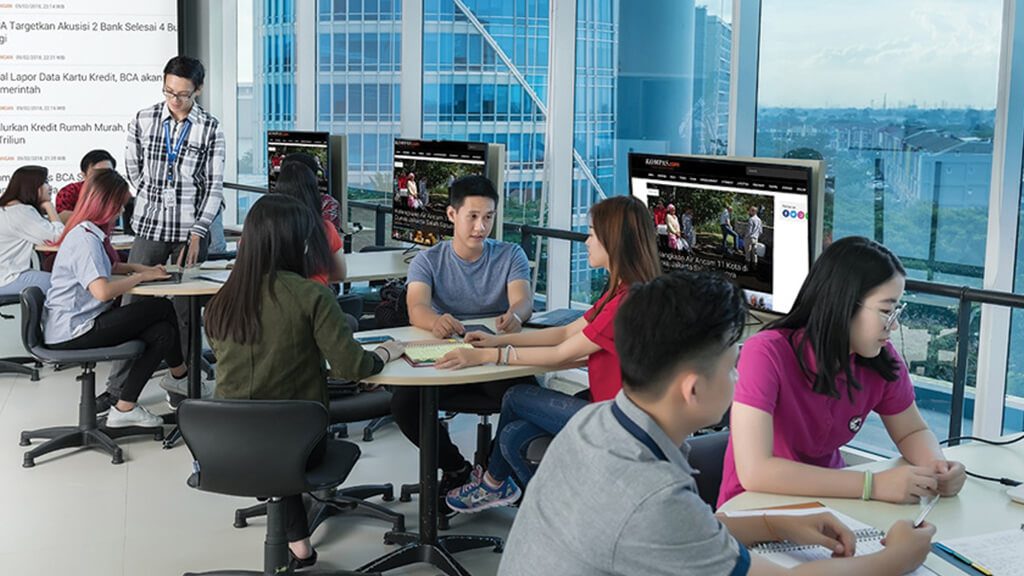
A laboratory equipped with technological tools that can help students hold discussions and design concepts. […]
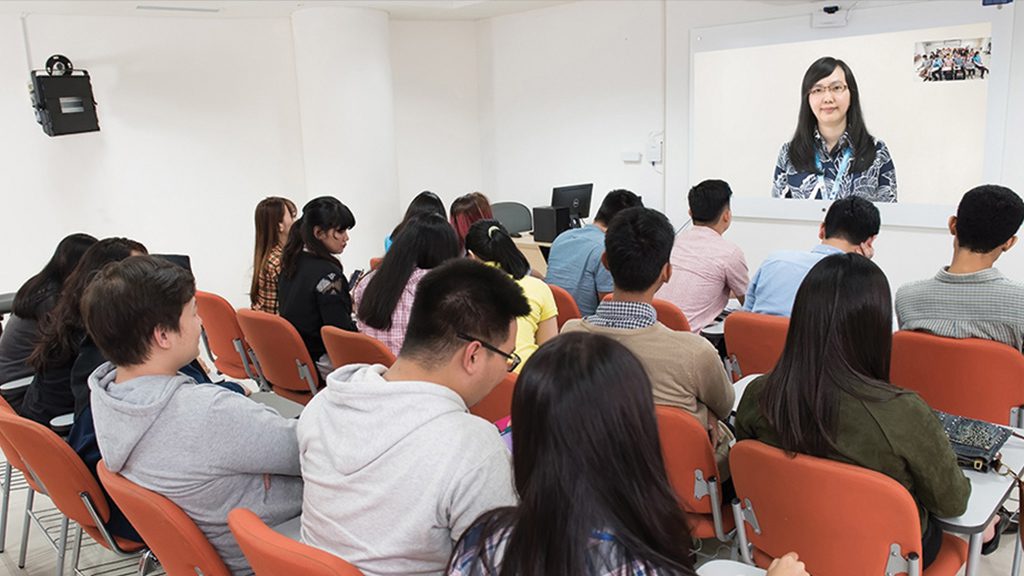
UMN is committed to advancing digital and online learning as an integral part of its […]

This modern theater hall has a capacity of up to 200 people. This room is […]

With the extent of modern interior designs, tens of thousands of local and international reading […]
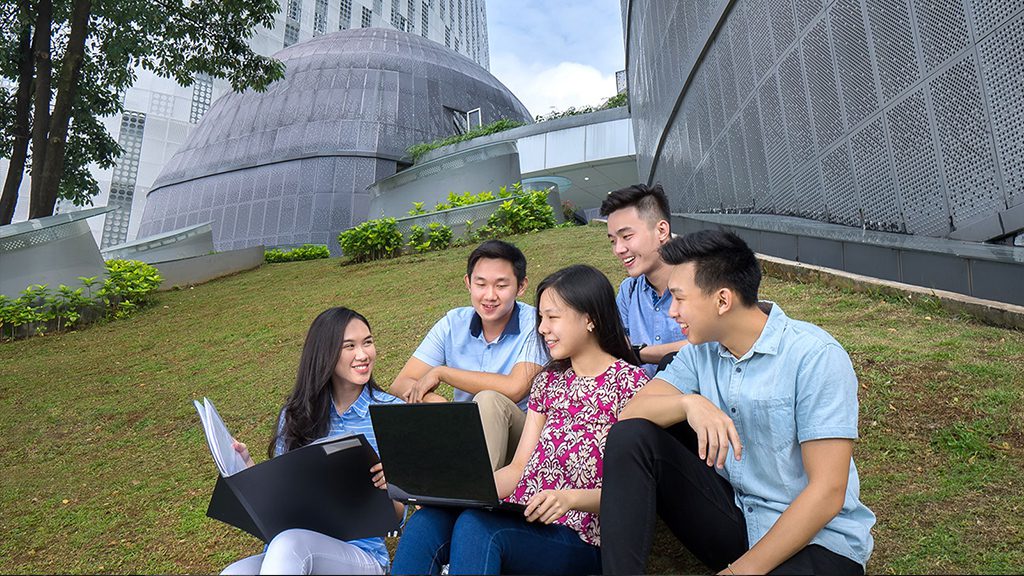
Every UMN student holds an account to log in to the MYUMN application that provides […]

UMN’s Wi-Fi has a free flow system where UMN students are not charged with cellular […]
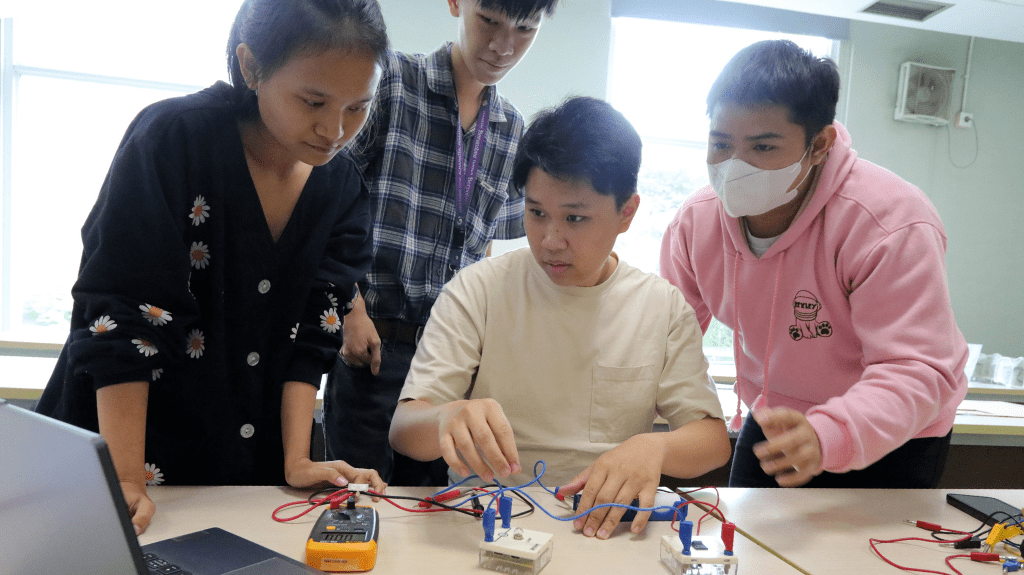
Laboratorium yang digunakan oleh mahasiswa untuk melaksanakan praktikum terkait fisika seperti teori suhu, panas, kelembaban […]
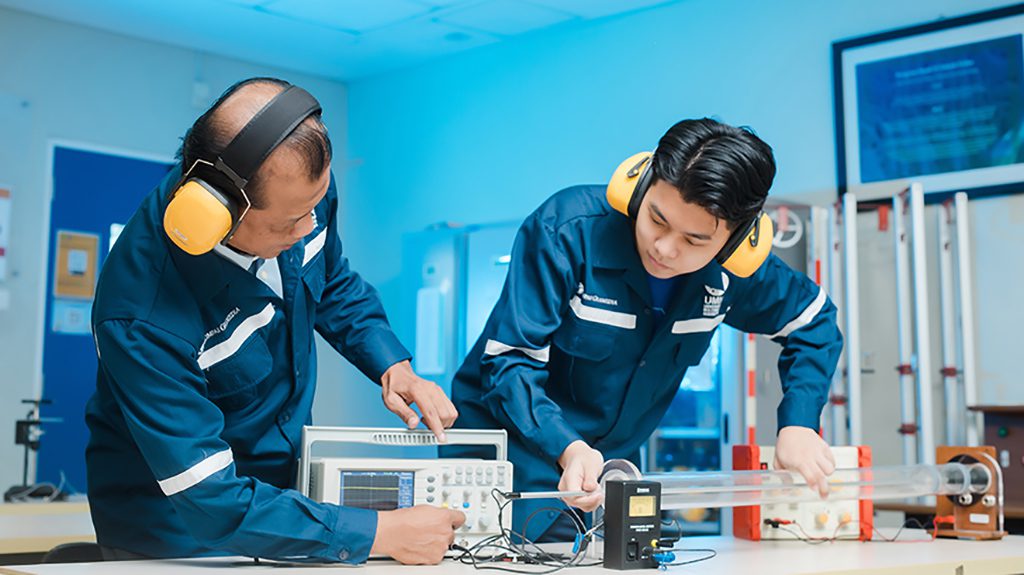
A laboratory that can be used by students to carry out practicum on thermodynamics related […]
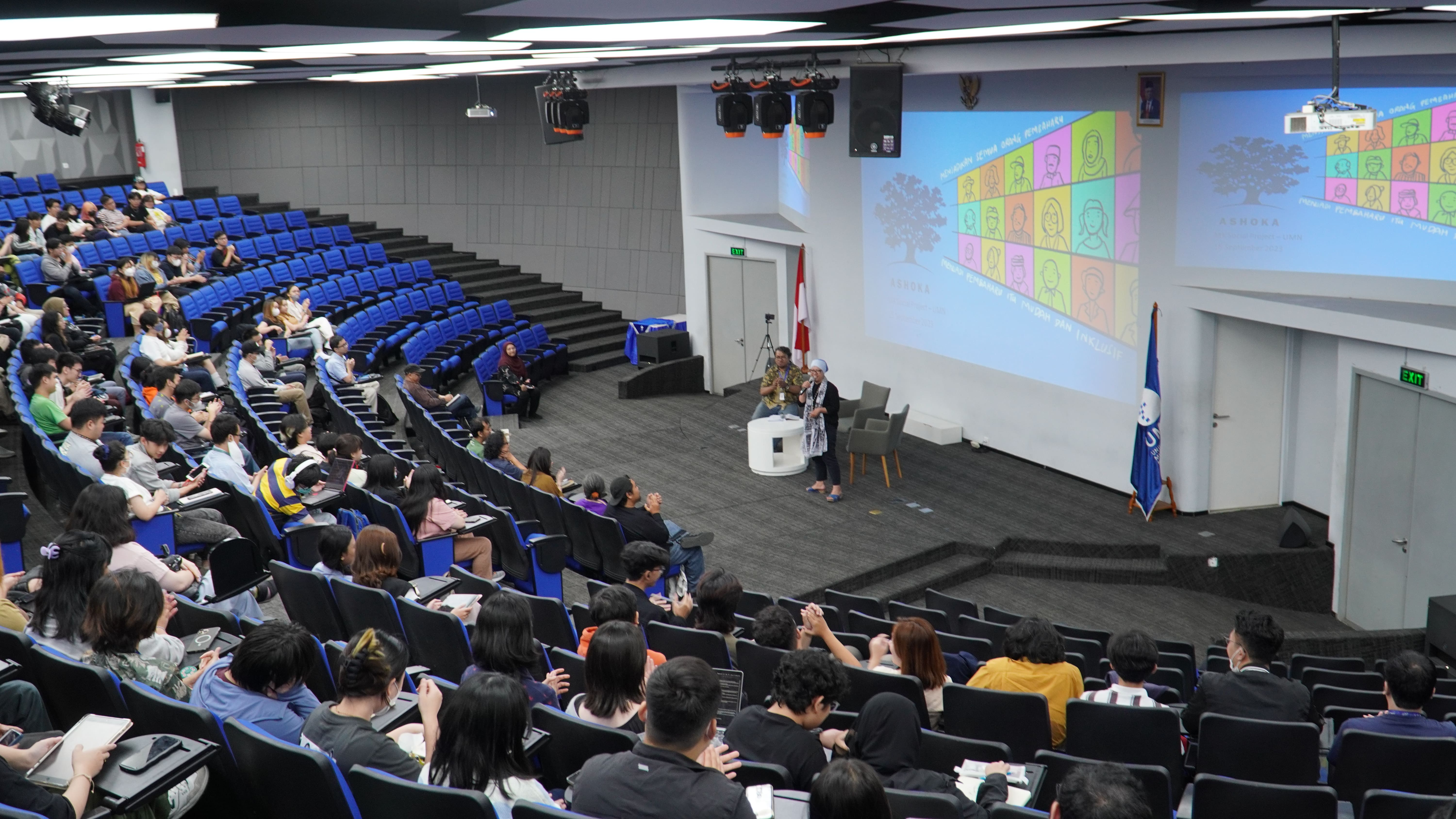
With a larger capacity compared to the other halls, the Lecture Theatre can accommodate up […]

UMN became the first campus established by Kompas Corner. Here, UMN students can access information […]


ANUTARA is a retail store located on the campus of Universitas Multimedia Nusantara that features […]

UMN's Social Spaces are multi-purpose spaces designed for student relaxation and interaction. Whether outdoor or […]

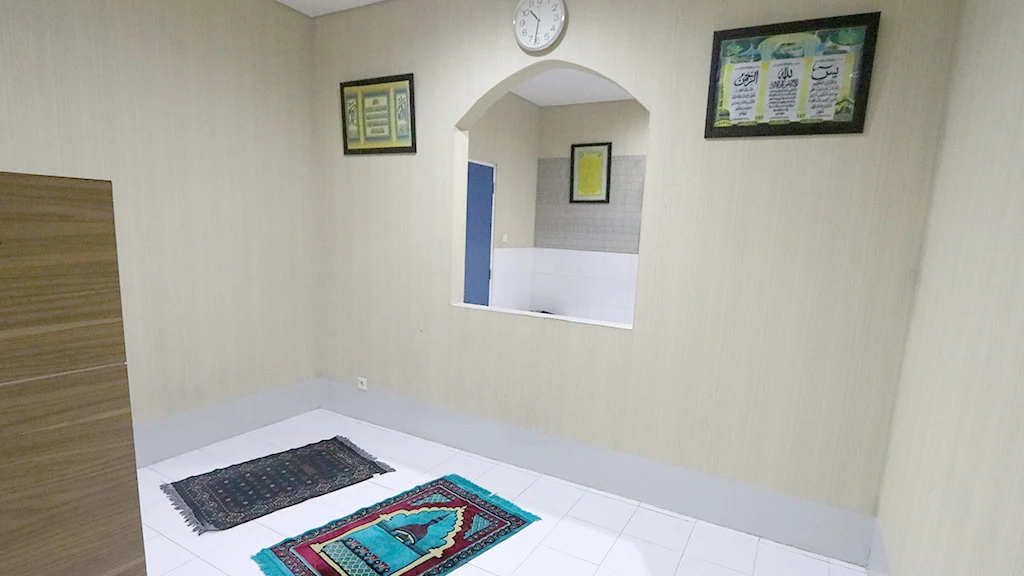
UMN supports the spiritual well-being of every student and staff member by providing religious facilities, […]

UMN is dedicated to providing an accessible and inclusive environment for all students, including students […]
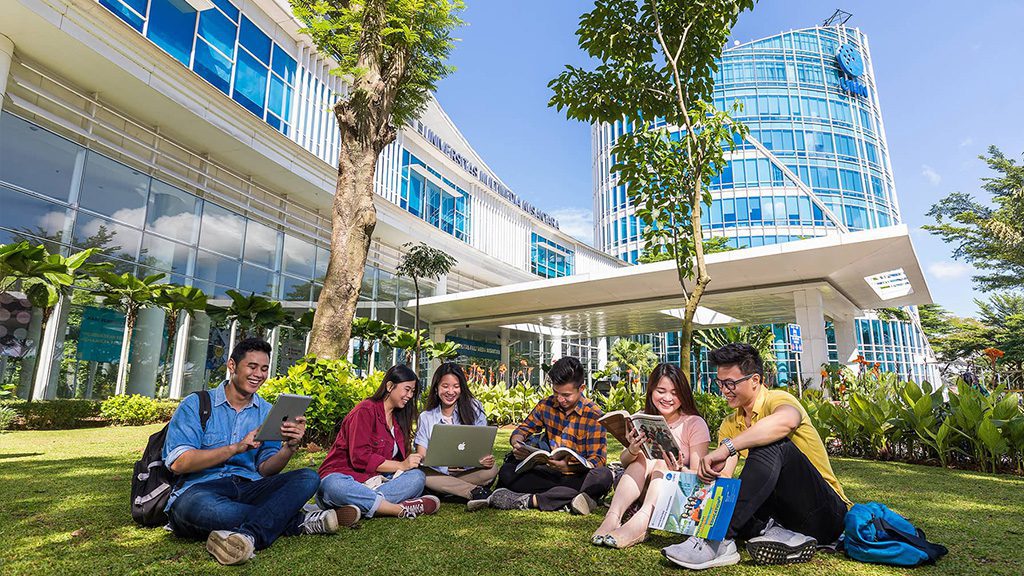
As an inclusive university, UMN provides various support services for students who experience learning difficulties […]
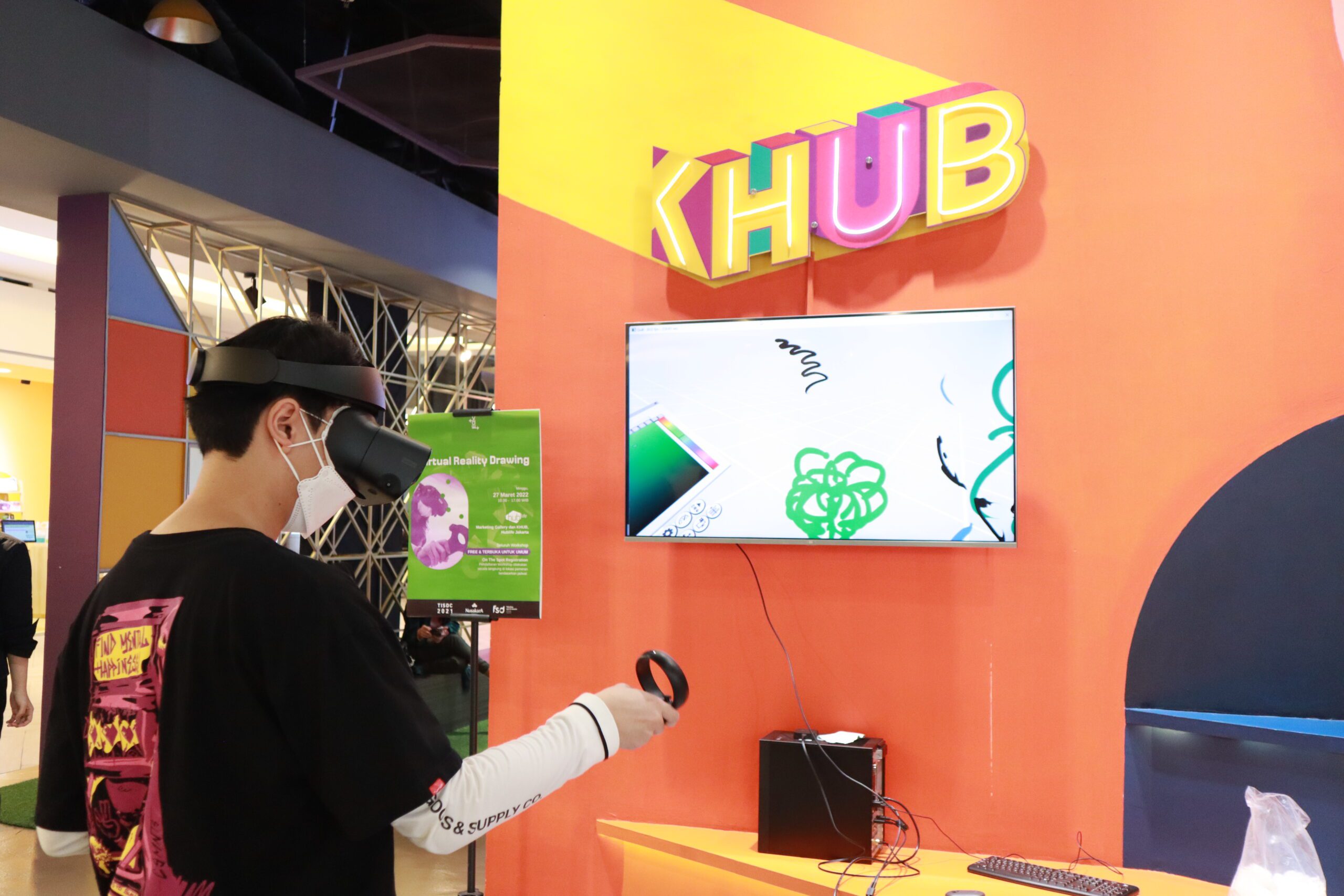
Nusakara Art & Design Center is Indonesia’s first creative and cultural hub dedicated to design, […]
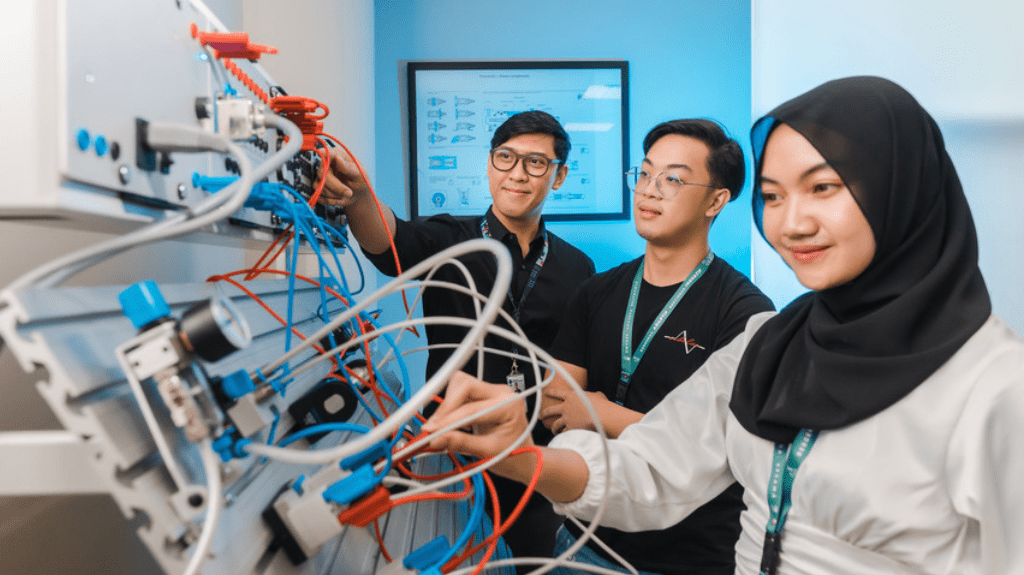
This laboratory serves to support specialization in Energy Management and Building Physics. Through this laboratory, […]
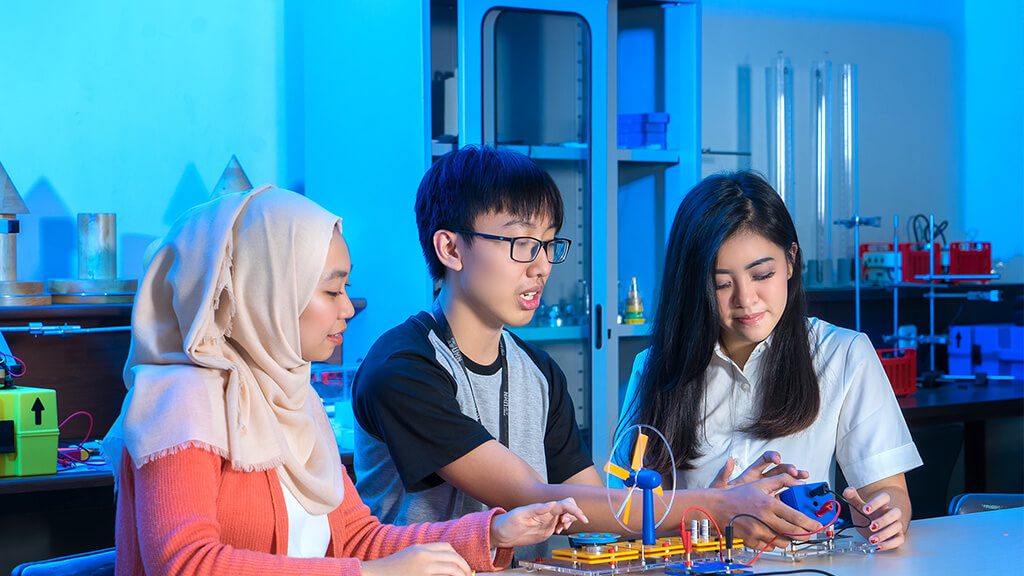
This laboratory serves to support specialization in Energy Management and Building Physics. Through this laboratory, […]
Extracurricular Student Activities
In order to help students explore and develop their non-academic potentials, UMN also provides a variety of extra-curricular activities for students which is locally called UKM, Student Activity Unit.

Student who are Nature Lovers in University Multimedia Nusantara can join and participate in UMN’s […]

Ultima Sonora is the Universitas Multimedia Nusantara Choir ensemble which has been established since 2007. […]

UMN Symphony Orchestra (USO), is one of the arts and culture UKM at UMN. As […]

Traditional Music and Dance or familiarly known as TRACCE is one of the Student Activity […]

Qorie is one of the many Student Activity Units at Universitas Multimedia Nusantara that has […]
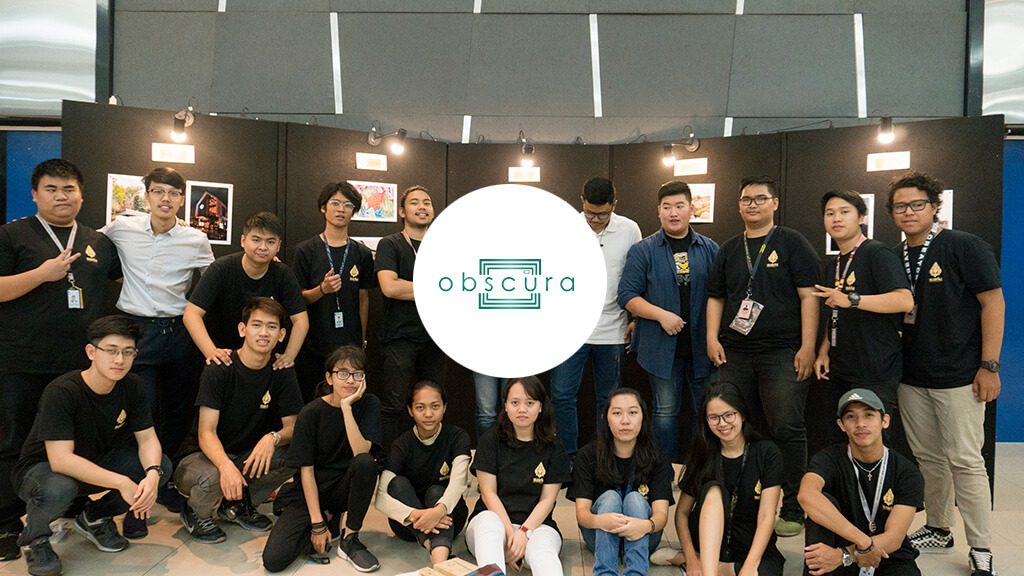
Obscura is a Student Activity Unit (UKM) engaged in photography under the auspices of Universitas […]

SEE OTHER
UMN’S STUDENT ACTIVITIES
Penelitian Hibah DIKTI - TF
Rekapitulasi Penelitian Internal - Teknik Fisika
Daftar Kegiatan PKM Dosen
Rekapitulasi Inovasi Hak Cipta - Teknik Fisika
CERTIFICATION
Green Building Training
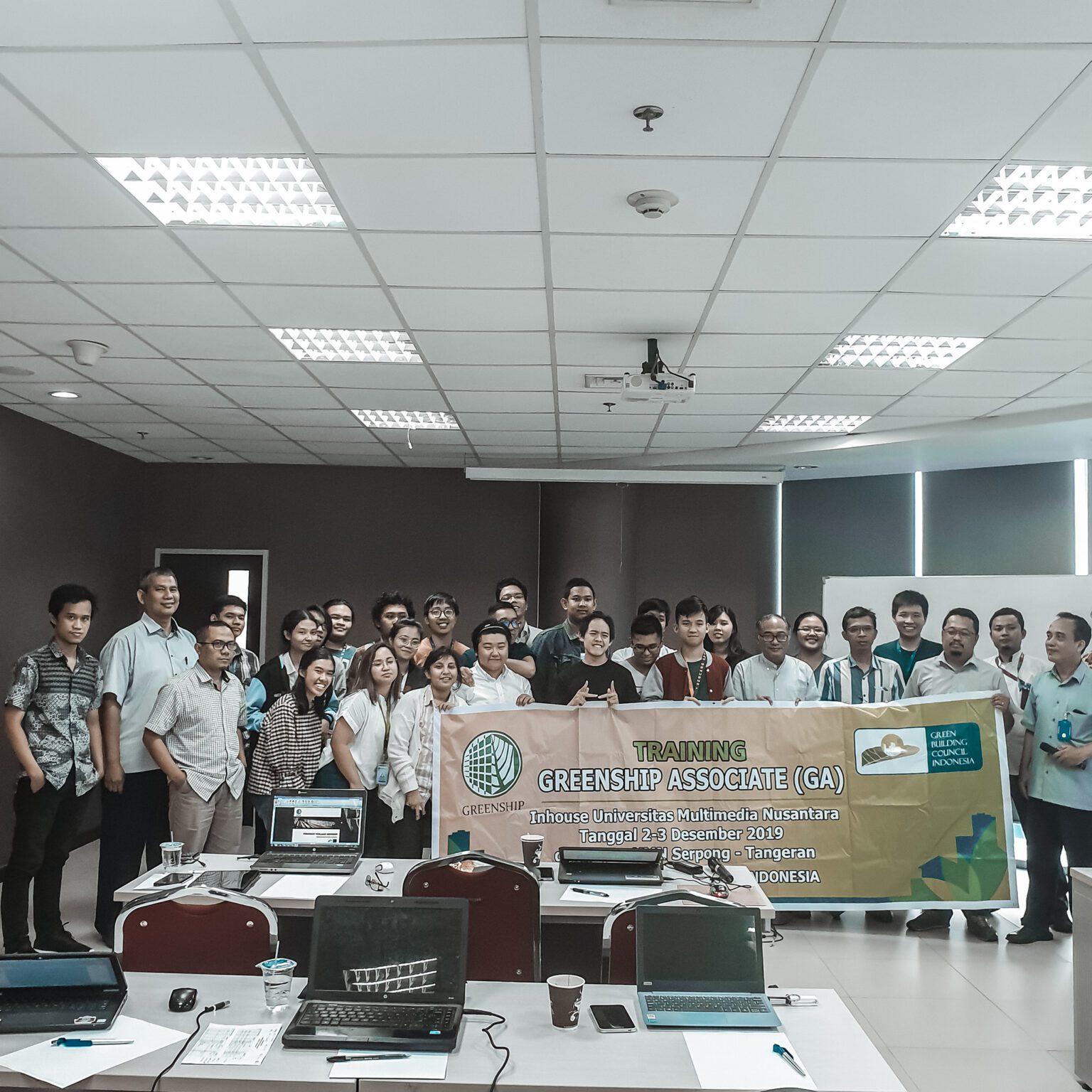
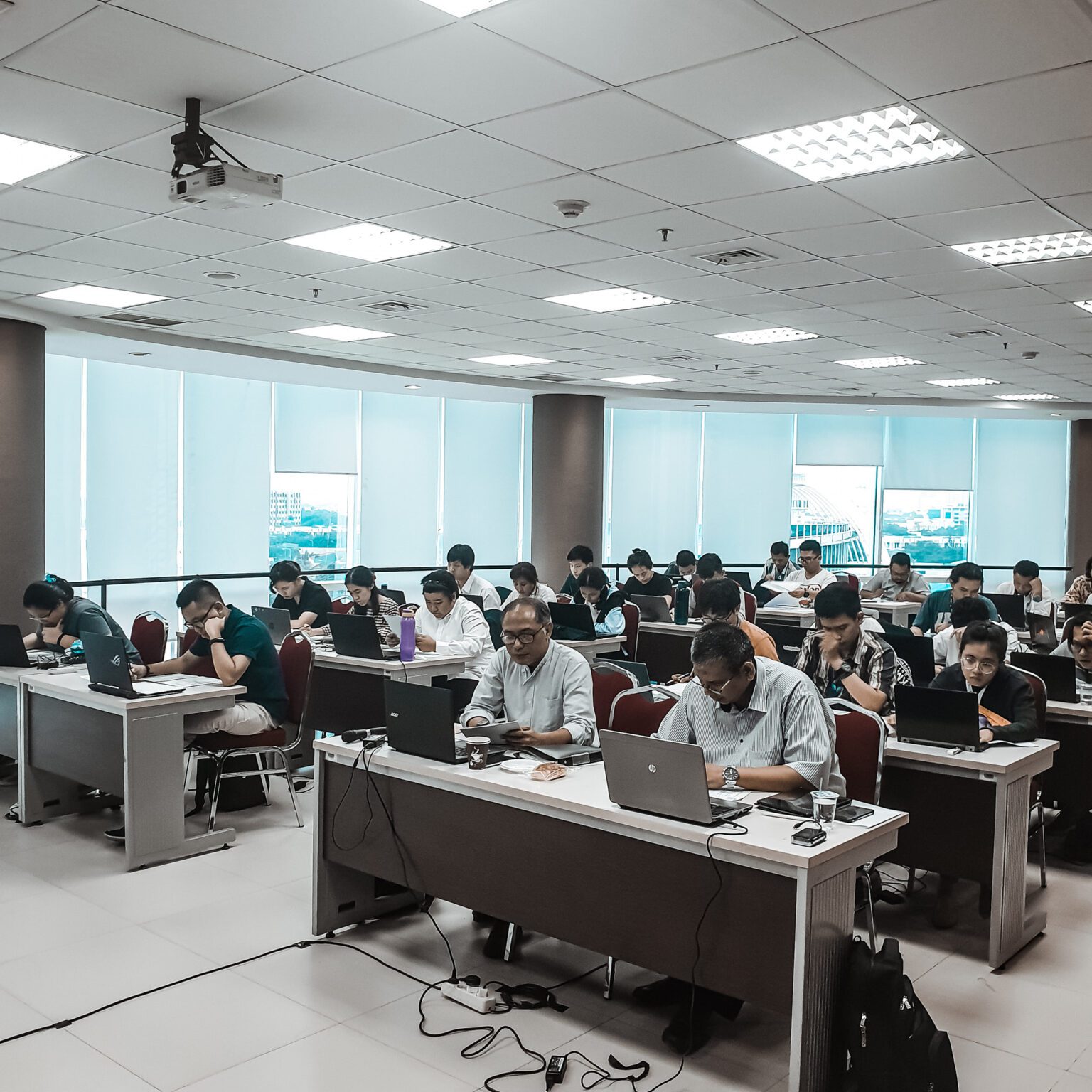

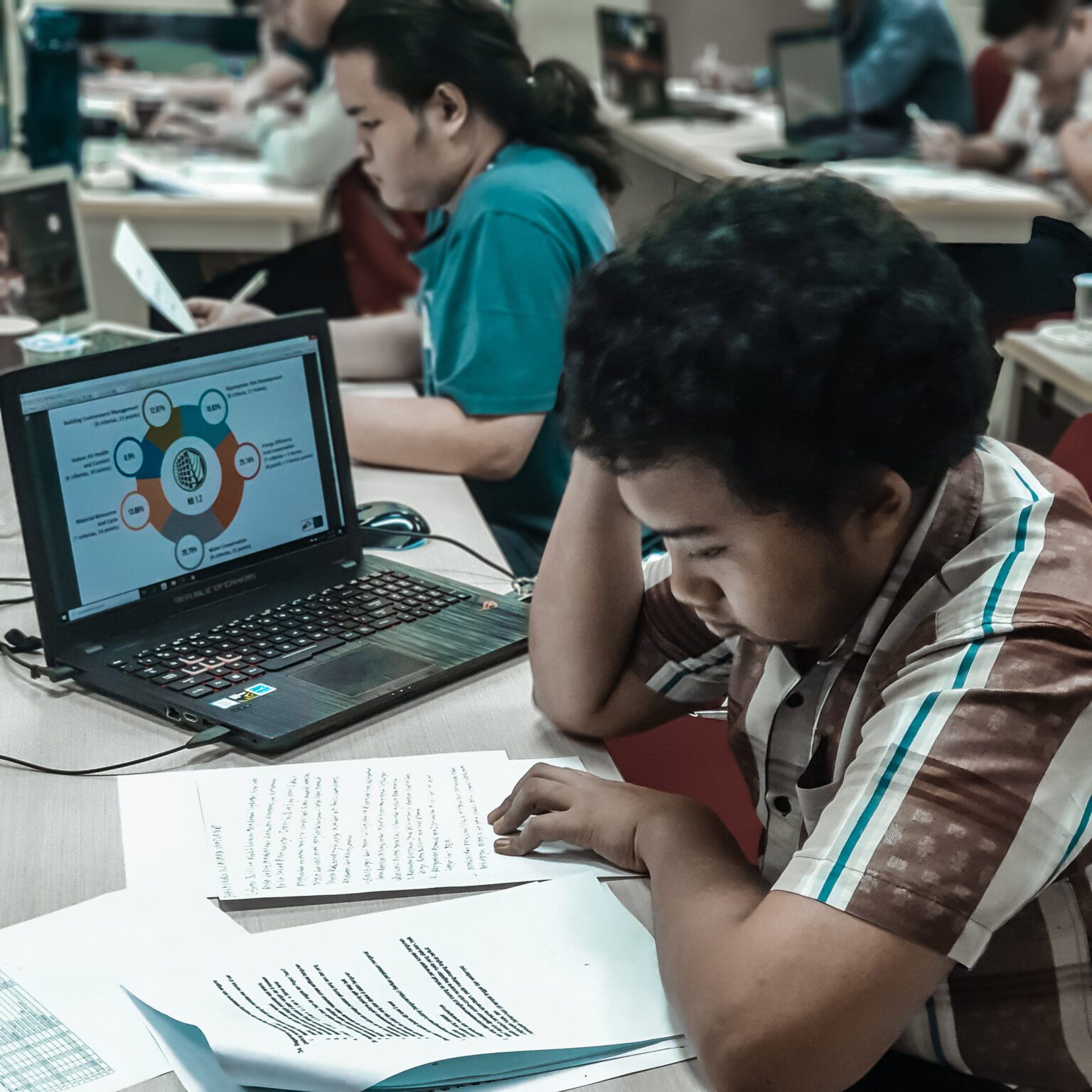
UMN collaborates with Green Building Council Indonesia (GBCI) to conduct Greenship Associate training and certification at UMN every beginning of December. This training is a facility for UMN Physics Engineering students as well as the outside community to gain learning experience and also certification in the field of green building. For further information on this training, please contact ced[at]umn.ac.id.
Information Literacy
Information literacy is an ability that individuals have in determining, searching, managing and evaluating information effectively and efficiently. This training is open to UMN active students. For further information, please contact: library.umn.ac.id
Kuliah di UMN itu mengesankan. Fasilitasnya bagus, dosennya berkualitas dan kegiatan kemahasiswaannya banyak banget. Saya mendapatkan beasiswa OSC (Online Scholarship Competition) UMN dan mengikuti ON MIPA (Olimpiade Nasional Matematika dan Ilmu Pengetahuan Alam) untuk memperdalam Ilmu Fisika.
Mandy Priscilla
Mahasiswa Teknik Fisika
Engineering Physics
Engineering physics UMN has become a member of several associations in the field of engineering physics such as the PII Physics Engineering Vocational Agency (BKTF), the Indonesian Physics Engineering Cooperation Agency (BKSTF), and the Institute of Electrical and Electronics Engineers (IEEE). Together with these associations, UMN Physics Engineering is involved in discussions related to professional development, certification, and curricula, as well as the publication of papers in the field of engineering physics.