Diploma Program
Department of Hotel Operations
What’s Department
of Hotel Operations?
The Hotel Diploma Program at Universitas Multimedia Nusantara (UMN) provides an excellent starting point for your career in the hospitality industry. This program combines basic theory with real-world practice to give you a thorough overview of different areas in hospitality, by providing academic education together with vocational core competency training. This carries considerable value and prestige with employers in the hospitality industry worldwide. Moreover, the Hotel Diploma Program also enables the students to obtain the necessary knowledge for their entrepreneurial ideas related to the industry.
The program for the study of electrical engineering became a vessel for students to cope with the growing growth of the industry by developing industrial automation that could help human life in the future
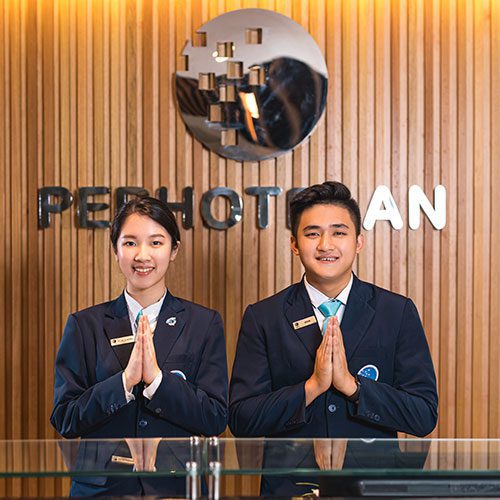

Why choose UMN’s Department of Hotel Operations?
The Hotel Diploma Program at Universitas Multimedia Nusantara (UMN) provides an excellent starting point for your career in the hospitality industry. This program combines basic theory with real-world practice to give you a thorough overview of different areas in hospitality, by providing academic education together with vocational core competency training. This carries considerable value and prestige with employers in the hospitality industry worldwide. Moreover, the Hotel Diploma Program also enables the students to obtain the necessary knowledge for their entrepreneurial ideas related to the industry.
FAQ
Why Choose the Hotel Operations Program at UMN? Discover the Advantages
The hotel and hospitality industry continues to grow, both in Indonesia and internationally. As the industry increasingly requires professionals with strong operational skills as well as managerial capabilities, choosing the right study program is an important step in preparing for a career in this field.
For this reason, many prospective students ask, “Why should I choose the Hotel Operations Program at UMN? What makes it different from other universities?”
The D3 Hotel Operations Program at Universitas Multimedia Nusantara (UMN) is designed to prepare graduates for careers in the hospitality industry through practical learning, collaboration with international universities, and a curriculum aligned with industry needs.
Develop Practical Hotel Operations Skills
At the D3 Hotel Operations Program at UMN, students do not only study theoretical concepts but also develop practical operational skills that serve as a foundation for working in the hotel industry.
Students will learn about various key areas, including:
- Front Office (guest services and reception operations)
- Food & Beverage Service
- Food Production
- Pastry & Bakery
- Bar Operations
- Housekeeping (room management and hotel cleanliness)
These areas are taught through a combination of theoretical learning and hands-on practice in dedicated laboratories, allowing students to understand and apply the operational standards used in the hospitality industry.
Go Beyond Operations: Develop Management and Entrepreneurship Skills
One of the advantages of the D3 Hotel Operations Program at UMN is that learning goes beyond technical and operational skills.
Students also develop competencies that support long-term career growth, including leadership, cost control, hospitality management, and entrepreneurship.
This approach prepares graduates not only to pursue professional careers in hotels but also to develop their own businesses in the culinary and hospitality sectors.
Students are also equipped with English communication skills, professional ethics, and analytical abilities, all of which are essential in the service industry.
Learn Through Hands-On Practice and Industry Experience
One of the distinctive features of the Hotel Operations Program at UMN is its hands-on learning approach.
Students gain practical experience through training laboratories designed to simulate real-world working environments. Students then undertake a six-month industry internship, providing them with the opportunity to apply what they have learned while gaining firsthand experience of professional workplace practices before graduation.
This approach helps students become better prepared for the workforce by familiarizing them with the operational standards and working environment of the hospitality industry.
Gain International Exposure Through University Partnerships
The D3 Hotel Operations Program at UMN also enriches students’ learning experiences through collaborations with international universities.
UMN has established academic collaborations with Taylor’s University and UCSI University in Malaysia, two institutions recognized for their strengths in hospitality and tourism education.
Through these partnerships, students may have opportunities to participate in various international academic activities, such as guest lectures, student exchange programs, short courses, and other international activities depending on the programs available. These international networks provide students with a broader perspective on global hospitality trends while enriching their academic and professional experiences.
Develop Competencies Aligned with Industry Needs
The learning process in the Hotel Operations Program at UMN is designed to align with the needs of the hospitality industry.
Students develop not only operational expertise but also the ability to work effectively in teams, deliver excellent service, communicate professionally, and adapt to the dynamic developments of the hospitality industry.
In addition, students have the opportunity to obtain BNSP competency certification, allowing their professional competencies to be demonstrated not only through an academic degree but also through nationally recognized professional certification.
Conclusion
The D3 Hotel Operations Program at UMN offers an integrated learning experience that combines theory, practical training, and industry experience. Students learn various areas of hotel operations, including Front Office, Housekeeping, Food & Beverage, Food Production, Pastry & Bakery, and Bar Operations, while also developing managerial, leadership, and entrepreneurship skills.
Supported by hands-on learning, an industry internship program, BNSP competency certification, and international collaborations with Taylor’s University and UCSI University, the D3 Hotel Operations Program at UMN prepares students to pursue careers in the hospitality industry at both national and international levels.
If you would like to learn more about the curriculum, training facilities, international partnerships, or admission process for the D3 Hotel Operations Program at UMN, UMN Education Consultants (EC) are available to provide information and guidance to help you choose a study program that aligns with your interests and career aspirations. [Contact an EC Now!]
How to Apply to the D3 Hotel Operations Program at UMN? Admission Paths and Scholarships You Should Know
The D3 Hotel Operations Program at Universitas Multimedia Nusantara (UMN) is an excellent choice for prospective students who aspire to pursue a career in the hospitality industry. With hands-on learning, industry internships, and international collaborations, the program is designed to prepare graduates to enter the workforce from an early stage.
After deciding on a study program, one of the most common questions prospective students have is, “How do I apply to the D3 Hotel Operations Program at UMN?”
The good news is that UMN’s new student admission process is conducted online, with several admission paths available to accommodate the achievements and backgrounds of prospective students. In addition, UMN offers various scholarship programs that can help reduce the cost of education.
The Admission Process Is Conducted Online
Prospective students who wish to apply to the D3 Hotel Operations Program at UMN can complete the entire application process online through the UMN New Student Admission (PMB) system.
Through the system, prospective students can complete the application form, select the D3 Hotel Operations Program as their preferred study program, upload the required documents, and participate in the selection process according to the admission path they choose.
With an integrated online system, the application process is more convenient and can be completed from anywhere without requiring prospective students to visit the campus in person.
Available Admission Paths
UMN provides several new student admission paths that prospective students can choose based on their individual profiles.
Academic Admission Path
The Academic Admission Path uses students’ report card grades as one of the selection criteria.
Prospective students are required to prepare several administrative documents, including:
- Photocopies of Grade 10 and Grade 11 report cards.
- A recent 4×6 cm passport-sized photograph.
In addition to document completeness, the selection process also considers academic performance during high school or vocational school. For the D3 Hotel Operations Program, relevant subject grades may also be considered as part of the admission evaluation.
Various Scholarship Opportunities
In addition to regular admission paths, UMN offers various scholarship programs as a form of recognition for prospective students who have demonstrated achievements or meet specific eligibility criteria.
Academic Achievement Scholarship
This scholarship is available to prospective students who have demonstrated academic achievement during their high school or vocational school education. Selection is based on academic performance and other requirements determined by UMN.
Sports and Arts Achievement Scholarship
UMN also provides scholarship opportunities for students with achievements in sports and the arts. This program is intended for prospective students who have achieved at least provincial-level recognition, subject to the applicable requirements.
Children of Teachers or School Principals Scholarship
As part of its support for the education sector, UMN provides scholarships for children of teachers, school principals, and eligible education personnel who meet the required administrative criteria.
Sibling Scholarship
Prospective students who have a sibling currently studying at UMN may also apply for the Sibling Scholarship, subject to the applicable terms and conditions.
Prepare Your Documents Early
To ensure a smooth application process, prospective students are encouraged to prepare all required documents before submitting their applications.
In addition to report cards and photographs, prospective students applying for scholarships may need to provide supporting documents such as achievement certificates, ranking certificates, family cards, or other documents depending on the scholarship they are applying for.
Preparing these documents in advance can make the selection process easier and reduce the risk of missing documents during the application period.
Why Should You Apply Early?
Applying early offers several advantages. In addition to having sufficient time to complete all administrative requirements, prospective students can consult with UMN Education Consultants (EC) regarding admission paths, scholarship opportunities, and the selection process that best matches their individual profile.
If there are still documents that need to be prepared or questions regarding the application process, applying early also gives prospective students more time to make the necessary preparations before the admission period closes.
Conclusion
The application process for the D3 Hotel Operations Program at UMN is conducted online through the UMN PMB system, with several admission paths available. In addition to a convenient and practical application process, UMN offers various scholarship programs, including the Academic Achievement Scholarship, Sports and Arts Achievement Scholarship, Children of Teachers or School Principals Scholarship, and Sibling Scholarship, giving prospective students more opportunities to receive financial support throughout their studies.
If you would like to learn more about admission requirements, new student admission schedules, or available scholarship programs, UMN Education Consultants (EC) are ready to provide information and guidance to help make your application process easier, more accurate, and aligned with your needs. [Contact an EC Now!]
What Is the Difference Between the Regular and International Programs in the D3 Hotel Operations Program at UMN?
When choosing the D3 Hotel Operations Program at Universitas Multimedia Nusantara (UMN), prospective students have two options: the Regular Program and the International Program. This often raises questions such as, “What is the difference between the Regular and International Programs in the D3 Hotel Operations Program at UMN?”
Do they have different courses? Do they offer different career opportunities? Or is the main difference simply the language of instruction?
The answer is that both programs share the same goal, which is to prepare graduates for careers in the hospitality industry. The main difference lies in the learning experience students receive throughout their studies, particularly in terms of international exposure.
The Core Curriculum Remains the Same
Students in both the Regular Program and the International Program study the same core hospitality curriculum.
Students develop fundamental competencies in various areas of hospitality, including:
- Front Office
- Food & Beverage Service
- Food Production
- Pastry & Bakery
- Bar Operations
- Hospitality Management
- Leadership
- Entrepreneurship
- Housekeeping
In addition, students in both programs participate in hands-on learning through practical laboratory sessions and complete a six-month industry internship as part of their learning experience.
This means that graduates from both programs acquire the same core competencies needed to become hospitality professionals and enter the workforce.
The Academic Quality Is the Same
Both the Regular Program and the International Program are part of the same D3 Hotel Operations Program at UMN.
Students have access to the same lecturers, curriculum, practical training laboratories, and learning standards. Both programs also provide opportunities to obtain BNSP competency certification, allowing graduates to demonstrate competencies relevant to the hospitality industry.
Therefore, choosing between the two programs does not mean choosing between different levels of academic quality. Instead, it means choosing the learning experience that best aligns with each student’s goals.
The Main Difference Lies in the Learning Experience
The most significant difference between the two programs is the academic experience they offer.
In the Regular Program, students follow a learning approach focused on the needs of the hospitality industry in both Indonesia and the global market. Students still gain extensive practical experience, participate in projects, and complete an industry internship, all of which are key components of the D3 Hotel Operations Program at UMN.
Meanwhile, the International Program is designed for students who want to gain a more international learning experience. In this program, students have greater exposure to the English language throughout the learning process and participate in an academic environment with a global perspective.
This approach helps students develop cross-cultural communication skills, which are increasingly important competencies in the international hospitality industry.
Which Program Should You Choose?
The best choice depends on each prospective student’s goals.
If you want to gain a strong foundation in hospitality through hands-on learning, well-equipped practical laboratories, and industry internship experience, the Regular Program can be an excellent choice.
However, if you want to gain greater international exposure, improve your English communication skills, and have opportunities to participate in global programs with university partners, the International Program may be more suitable.
Regardless of the program you choose, both programs equip students with the competencies needed to pursue careers in the hospitality industry.
Conclusion
The Regular and International Programs of the D3 Hotel Operations Program at UMN share the same core curriculum, academic quality, facilities, lecturers, and internship opportunities. The main difference lies in the learning experience, with the International Program offering greater international exposure through the use of English in the learning process.
Meanwhile, the Regular Program continues to provide a comprehensive learning experience through practical training in laboratories, industry-oriented learning, and a six-month professional internship.
If you are still unsure about choosing between the Regular and International Programs, UMN Education Consultants (EC) are ready to provide more detailed information about the differences between the two options, helping you choose the program that best matches your interests, abilities, and career goals in the hospitality industry. [Contact an EC Now!]
What Will You Learn in the D3 Hotel Operations Program at UMN? Here’s What You Need to Know!
Many people assume that studying hotel operations is only about learning how to serve guests or work in a hotel. In reality, the modern hospitality industry requires professionals who possess not only operational skills, but also management, communication, leadership, and entrepreneurship skills.
That is why many prospective students ask, “What will I learn in the D3 Hotel Operations Program at UMN?”
The D3 Hotel Operations Program at Universitas Multimedia Nusantara (UMN) is designed to equip students with competencies that align with the needs of the modern hospitality industry. The learning process combines theoretical knowledge, laboratory-based practice, internship experience, and international collaboration to prepare graduates to enter the professional world with confidence.
Learning All Aspects of Hotel Operations
Throughout their studies, students will learn about the various departments that serve as the backbone of hotel operations.
Some of the key practical areas covered include:
- Front Office, covering guest services, check-in and check-out procedures, reservations, and reception operations.
- Food & Beverage Service, teaching food and beverage service techniques based on hospitality industry standards.
- Food Production, equipping students with skills in preparing and processing various types of food.
- Pastry & Bakery, focusing on the preparation of bread, cakes, and pastry products.
- Bar Operation, covering bar operations and the service of various non-alcoholic and alcoholic beverages in accordance with industry standards.
- Housekeeping, covering room management, cleanliness, and hotel service standards.
Through a combination of theory and hands-on practice, students not only understand the concepts but also become accustomed to applying them in environments that simulate real-world hospitality operations.
Learning Hospitality Management, Not Just Practical Skills
In addition to operational skills, students are equipped with various subjects that prepare them to advance into supervisory and managerial roles in the hospitality industry.
Students will learn about areas such as Hospitality Management, Leadership, Cost Control, Entrepreneurship, as well as professional communication in English.
These subjects help students understand how to manage hospitality operations as a whole, from customer service and resource management to decision-making.
Hands-On Learning in Practical Laboratories
One of the key advantages of the D3 Hotel Operations Program at UMN is its hands-on learning approach.
A significant portion of the learning process takes place in practical laboratories designed to simulate facilities found in the hospitality industry. This allows students to directly apply classroom knowledge to practical situations.
This approach helps students become familiar with industry standards from the beginning of their studies, making them more confident when entering the professional workplace.
Completing a Six-Month Industry Internship
In addition to classroom learning, students also participate in a six-month industry internship program.
Through this program, students gain direct work experience in hospitality companies. They can experience professional workplace culture, build industry networks, and further develop the skills they have acquired throughout their studies.
The internship is an important part of the learning process because it provides students with real-world experience before completing their studies.
Opportunities to Gain an International Perspective
The D3 Hotel Operations Program at UMN also provides students with opportunities to gain international learning experiences.
UMN collaborates with Taylor’s University and UCSI University in Malaysia, both of which are recognized for their strong reputation in hospitality.
Through these collaborations, students have opportunities to participate in various international academic activities, such as guest lectures, student exchanges, short courses, and other collaborative programs depending on the activities available.
These experiences help students understand developments in the hospitality industry from a global perspective.
An Accelerated Pathway to an International Bachelor’s Degree
In addition to its collaborations with Taylor’s University and UCSI University in Malaysia, the D3 Hotel Operations Program at UMN also offers the UEF Acceleration Program.
Through this program, students who complete three years of study in the D3 Hotel Operations Program at UMN have the opportunity to continue their education for one additional year at the University of Economics and Finance (UEF) in Vietnam.
Students can choose between the Bachelor of Hospitality Management and Bachelor of Restaurant Management and Culinary Arts programs. Upon completing the 3+1 program, graduates will receive a Diploma from UMN as well as an internationally recognized Bachelor’s Degree through UEF’s collaboration with CY Cergy Paris University, France.
For students who aspire to build careers in the global hospitality industry, this accelerated pathway provides an opportunity to gain international academic experience while enhancing their competitiveness in the global job market.
Conclusion
The D3 Hotel Operations Program at UMN combines theoretical knowledge, practical training, and industry experience within an integrated curriculum. Students learn various aspects of hotel operations, including Front Office, Housekeeping, Food & Beverage Service, Food Production, Pastry & Bakery, and Bar Operation, while also developing management, leadership, communication, and entrepreneurship skills.
Supported by hands-on learning, a six-month industry internship, BNSP competency certification opportunities, and international collaborations with Taylor’s University and UCSI University, the D3 Hotel Operations Program at UMN prepares students to pursue careers in the hospitality industry, both in Indonesia and internationally.
If you would like to learn more about the curriculum, practical facilities, internship opportunities, or the admission process for the D3 Hotel Operations Program at UMN, UMN Education Consultants (EC) are ready to provide information and guidance to help you choose a program that aligns with your interests and career goals. [Contact an EC Now!]
What Are the Career Prospects for D3 Hotel Operations Graduates at UMN? Here Are the Career Opportunities and Support Available
The hospitality industry continues to grow, both in Indonesia and globally. Beyond hotels, the demand for skilled professionals is also increasing in restaurants, resorts, cruise lines, events, and the broader tourism industry. As a result, many prospective students ask, “What are the career prospects for D3 Hotel Operations graduates at UMN? Are the career opportunities promising?”
The D3 Hotel Operations Program at Universitas Multimedia Nusantara (UMN) is designed to address these industry needs through hands-on learning, industry internship experience, international collaborations, and career development support that prepares students to enter the professional world even before graduation.
Wide-Ranging Career Opportunities in the Hospitality Industry
Graduates of the D3 Hotel Operations Program at UMN have opportunities to pursue careers across various sectors of the hospitality industry, not limited to hotels.
With a combination of operational and managerial competencies, graduates can pursue careers as:
-
- Front Office Officer
- Guest Relation Officer
- Food & Beverage Supervisor
- Restaurant Supervisor
- Banquet Officer
- Chef
- Pastry Chef
- Bar Supervisor
- Housekeeping Supervisor
- Entrepreneur
Graduates also have opportunities to work in star-rated hotels, resorts, restaurants, food service companies, cruise lines, convention and event centers, and the growing tourism industry.
The wide range of career options reflects the growing demand for hospitality professionals across industries that prioritize service excellence.
Preparing Students with Industry-Relevant Learning
Strong career prospects are closely connected to the learning experience students receive throughout their studies.
Students in the D3 Hotel Operations Program at UMN learn about the key aspects of hotel operations, including Front Office, Housekeeping, Food & Beverage Service, Food Production, Pastry & Bakery, and Bar Operation.
In addition to technical skills, students also develop competencies in leadership, hospitality management, entrepreneurship, cost control, professional communication in English, and service excellence, all of which are essential in the modern hospitality industry.
Through a combination of theoretical learning and practical training in laboratories, students become familiar with the standards and practices used in the hospitality industry.
Industry Internship Experience Before Graduation
One of the key advantages of the D3 Hotel Operations Program at UMN is its six-month industry internship program.
The program gives students the opportunity to work directly in hospitality companies, allowing them to experience professional workplace culture, gain hands-on experience, and expand their networks within the industry.
This experience can provide an advantage when students enter the workforce, as they have already been exposed to real-world hospitality operations before graduation.
Opportunities to Gain International Experience
In addition to gaining industry experience in Indonesia, students also have opportunities to broaden their perspectives through UMN’s international collaborations.
The D3 Hotel Operations Program at UMN collaborates with Taylor’s University and UCSI University in Malaysia through various international academic activities, including guest lectures, student exchanges, and short courses.
Students can also take part in the UEF Acceleration Program, which provides an opportunity to continue their studies for one year at the University of Economics and Finance (UEF), Vietnam, after completing three years of study at UMN.
Through this 3+1 pathway, students can earn a Diploma from UMN as well as an internationally recognized Bachelor’s Degree through UEF’s collaboration with CY Cergy Paris University, France. This opportunity can provide added value for students who aspire to develop careers in the global hospitality industry.
Career Development Center (CDC) Supports Career Preparation
In addition to classroom learning, students also receive career development support from the Career Development Center (CDC) UMN.
CDC regularly organizes various career development programs, including career preparation, career mentoring, seminars with industry professionals, career fairs, as well as providing information on internship opportunities and job openings from partner companies.
Through these programs, students have opportunities to prepare for recruitment processes, understand industry expectations, and build professional networks even before graduation.
Conclusion
Graduates of the D3 Hotel Operations Program at UMN have broad career opportunities across the hospitality industry, including hotels, resorts, restaurants, food service, cruise lines, tourism, and events. Students are equipped with operational skills, managerial competencies, six months of industry internship experience, and opportunities to gain international exposure through collaborations with Taylor’s University, UCSI University, and the UEF Acceleration Program.
In addition, support from the Career Development Center (CDC) helps students prepare to enter the workforce and continue developing their careers after graduation.
If you would like to learn more about career prospects, the curriculum, internship experience, or the learning process in the D3 Hotel Operations Program at UMN, UMN Education Consultants (EC) are ready to provide information and guidance to help you choose an educational pathway that aligns with your career goals. [Contact an EC Now!]
Does the D3 Hotel Operations Program at UMN Collaborate with Leading Hotels? Here’s the Evidence
One important consideration when choosing a hospitality program is how closely the university works with the industry. Many prospective students and parents ask, “Does the D3 Hotel Operations Program at UMN collaborate with leading hotels?”
The D3 Hotel Operations Program at Universitas Multimedia Nusantara (UMN) actively builds partnerships with various national and international hotel groups as part of its commitment to providing learning experiences that align with industry needs.
Industry Collaboration Goes Beyond Internships
Industry partnerships at UMN are not limited to providing internship opportunities. These collaborations also take various forms, including guest lectures, workshops, curriculum development, campus hiring, and graduate recruitment.
Through this approach, students not only gain hands-on industry experience but also have opportunities to learn directly from professionals about the latest trends and evolving needs in the hospitality industry. This helps ensure that the knowledge and skills taught in the classroom remain relevant to the professional world.
Collaborating with Leading Hotel Networks
The D3 Hotel Operations Program at UMN has established collaborations with several hotels with strong reputations in the hospitality industry.
Ibis Gading Serpong
UMN has established a collaboration with Ibis Gading Serpong to strengthen the connection between education and the hospitality industry. This collaboration provides opportunities for students to learn about international hotel operating standards, broaden their learning experiences, and enhance their readiness for the professional world through various collaborative activities.
DoubleTree by Hilton Jakarta – Bintaro Jaya
UMN also collaborates with DoubleTree by Hilton Jakarta – Bintaro Jaya, part of Hilton, one of the world’s largest hotel groups.
The collaboration includes not only internship and graduate recruitment opportunities, but also workshops, guest lectures, campus hiring, and curriculum development to ensure alignment with the needs of the global hospitality industry.
Rosewood Hong Kong
As part of its efforts to expand its international network, UMN also collaborates with Rosewood Hong Kong, a luxury hotel under the Rosewood Hotels & Resorts group.
This collaboration gives students the opportunity to gain insights into world-class hospitality service standards while broadening their understanding of career opportunities in the international hospitality industry.
Vivere Hotel
UMN has also established a partnership with Vivere Hotel in Gading Serpong.
Through this collaboration, students have opportunities to engage directly with the industry through various academic and professional activities. Having an industry partner located near the campus also provides students with opportunities to build connections with the professional world while they are still studying.
Learning That Aligns with Industry Needs
Collaborations with leading hotels provide benefits that go beyond internship experience.
Students can learn about the latest service standards, understand professional workplace culture, become familiar with technologies used in hotel operations, and gain insights directly from practitioners who are actively working in the industry.
Feedback from industry partners also helps UMN keep its curriculum relevant to developments in the hospitality sector, ensuring that students develop competencies that are truly needed when they graduate.
Supported by International Experiences
In addition to hotel industry partnerships, the D3 Hotel Operations Program at UMN also has academic collaborations with Taylor’s University and UCSI University in Malaysia.
Students also have the opportunity to participate in the UEF Acceleration Program, a 3+1 accelerated pathway that allows graduates of the D3 Hotel Operations Program at UMN to continue their studies for one year at the University of Economics and Finance (UEF), Vietnam, and earn an internationally recognized Bachelor’s Degree through UEF’s collaboration with CY Cergy Paris University, France.
The combination of industry partnerships and international academic collaborations provides students with a more comprehensive learning experience while expanding their career opportunities in the global hospitality industry.
Conclusion
The D3 Hotel Operations Program at UMN has established a strong network of industry partnerships with leading hotels, including Ibis Gading Serpong, DoubleTree by Hilton Jakarta – Bintaro Jaya, Rosewood Hong Kong, and Vivere Hotel. These collaborations cover various activities, ranging from internships, guest lectures, and workshops to curriculum development and graduate recruitment opportunities.
Students can also broaden their international perspectives through collaborations with Taylor’s University, UCSI University, and the UEF Acceleration Program.
With a strong industry and academic ecosystem, students gain more than classroom learning. They also have opportunities to develop professional competencies and build networks that can become valuable assets when entering the hospitality industry.
If you would like to learn more about industry collaborations, internship opportunities, the curriculum, or the admission process for the D3 Hotel Operations Program at UMN, UMN Education Consultants (EC) are ready to provide information and guidance to help you take the first step toward a career in the hospitality industry. [Contact an EC Now!]
ECTS Points Table
| ECTS Points | 174,4 points |
| Education Type | Diploma Program |
| Duration | 3 years |
| Language | English |
| Bachelor's Degree | Ahli Madya Pariwisata (A.Md.Par.) |
Description
Universitas Multimedia Nusantara (UMN) is well-known for its state-of-the art architecture and technology used in its facilities throughout the region. With its focus to pursue Information Communication Technology (ICT), the university has developed rapidly and taught more than 8000 students yearly.
Under Kompas Group, UMN is the sister company of Santika Hotel Group. Thus, the campus sees an opportunity to stimulates hotel industry through ICT. If people in the past did transactions by face-to-face meeting, internet makes everything different now. Hoteliers are also benefited in this era. There are so many shortened and simplified standards due to the use of technology.
Universitas Multimedia Nusantara then established Hotel Operations Program in 2017 with its first batch. The idea of establishing Hotel Operations Program comes from CEO of Kompas Gramedia who wants to fulfill the vocational resources for hospitality industry, so in the future Indonesia will have competent resources with expertise in hospitality industry and flexible to changes related to Information Communication Technology and Internet of Things.
In UMN, Hotel Operations Department is run under the Faculty of Business. Hotel Operations offers you basic operation and business knowledge and skills to work in a wide range of areas within multifaceted industry of hospitality. The areas include front desk operation, housekeeping operation, food and beverage management, and entrepreneurship with the support of information and communication technology.
Industry professionals and certified lecturers will lead you through Hotel Operations program to gain hands-on experience during in-campus study, supported by complete and modern laboratory for practicum classes. You will also further enhance your knowledge and skills during a 24-week work-integrated learning experience with one of the leading industry partners, which will support you in learning and developing both hard and soft skills in the hospitality industry.
Internship program is conducted on the 5th semester, with Room Division or Food and Beverage Department as the main focus. Throughout the program, you will receive relevant basic knowledge and technology-based training, completed with industry certifications, such as Food Handlers, Safety and Hygiene, and Fire and Safety Drill.
As a graduate of the Hotel Operations program, you will have unlimited career opportunities, responding to guests’ needs and providing them with exceptional service and attention to detail. You will be fully prepared to step into key roles within both the front and back of a hotel and make an impact on the guest experience, or become an entrepreneur in hospitality sector who is capable in optimizing ICT. At the end of the program, you are expected to receive a competence certification with chosen professional expertise in Room Division or F&B department that will give beneficiary to start career in hospitality industry.
Vision & Mission
Vision
Being a distinguished faculty that produces professional graduates with international insights who are competent in Management, Accounting, Hotel Operations, and Magister Management Technology, based on Information and Communication Technology (CT), have entrepreneur spirit and a noble personality.
Mission
- Organizing a qualified learning process supported by professional lecturers and up-to-date curriculum which linked and matched with industry.
- Conducting research program in ICT-based economic field that contributes to the development of management, accounting, hotel operations, and magister management technology.
- Utilizing knowledge of management, accounting, hotel operations, and magister management technology to carry out community service.
Focus Studies
Hotel Operations Program has four core subjects to be accomplished by the students:
- Front Office Operation
It compiles the knowledge and skills needed in Front Office Department, which include reservation, check-in, check-out, payment, room service, concierge, operator, and hotel administration. - Housekeeping and Laundry Operation
It compiles the knowledge and skills needed in Housekeeping Department, which includes linen, room, par stock, hygiene and sanitation, tools, equipment, and chemicals used to maintain the hotel’s facilities. - Food Production and Pastry & Bakery Production
It compiles the knowledge and skills needed in food production, which include pastry and bakery, food styling, cake decoration, cost control, purchasing, menu planning, safety and hygiene, and food display. - Food and Beverage Service Operation
It compiles the knowledge and skills needed in food and beverage service, which include bartending, introduction to aperitifs and wine, table set-up, and products upselling.
Certification
Students of Hotel Operation Program will receive Diploma certificate and 1 competence certificate in their preferred fields either in Room Division Management or Food and Beverage Division from BNSP upon study completion.
Curriculum
The Hotel Diploma Program at UMN consists of hands-on hospitality courses, including Room Division Management and Restaurant Operation, with introductory hotel management courses based on ICT. Students will learn not only about the operation of Front Office and Housekeeping management, but also about the service and production of Food and Beverage service, alongside with a variety of academic disciplines, including foreign languages. This program prepares you with the experience and practical skills to achieve various careers in the hospitality industry.
Accreditation
Why choose UMN’s Department of Hotel Operations?
The Hotel Diploma Program at Universitas Multimedia Nusantara (UMN) provides an excellent starting point for your career in the hospitality industry. This program combines basic theory with real-world practice to give you a thorough overview of different areas in hospitality, by providing academic education together with vocational core competency training. This carries considerable value and prestige with employers in the hospitality industry worldwide. Moreover, the Hotel Diploma Program also enables the students to obtain the necessary knowledge for their entrepreneurial ideas related to the industry.

ECTS Points Table
| ECTS Points | 174,4 points |
| Education Type | Diploma Program |
| Duration | 3 years |
| Language | English |
| Bachelor's Degree | Ahli Madya Pariwisata (A.Md.Par.) |
Student Requirements
New Student Requirements
- High school/ vocational graduates, any major.
- Fluent in English (min. TOEIC score 450).
- Physically and mentally healthy
Student Scholarships
UMN scholarship program is offered to high school students in 12th grade who have academic, sports, and artistic achievements while in 11th grade. In addition, UMN also offers the program to high school/vocational school students who won medals in the National and International Science Olympics. As a form of appreciation for the dedication of teachers and employees/ staff in educating the nation's children, UMN provides scholarships in the form of a 50% reduction in fees for teachers/principals and a 30% reduction in fees for children of the employees/staff in high schools/vocational schools (both public and private) who want to continue their education at UMN.
All students of Hotel Operation Program must attend the New Student Orientation arranged by the university. After the participation, the students will receive certificate as a proof for the attendance. This certificate is one of the requirements to participate in Final Project.
Students must respect customs, ethics, and norms by:
- Maintaining a good reputation of Hotel Operation Department – Universitas Multimedia Nusantara, both inside and outside campus.
- Not drunk or under influence of illegal drugs in campus area.
- Not overly displaying affection in public (PDA).
Students must maintain cleanliness and tidiness of the campus environment by:
- Not littering campus area.
- Not doodling or making graffiti in campus facilities, furniture, and equipment.
- Not damaging campus facilities, furniture, and equipment.
- Not smoking in campus area.
- Not eating and drinking in classes.
Students must maintain courtesy and grooming by maintaining these requirements:
- Uniform
- Students must wear complete uniform when entering campus, especially in Hotel Operations Department area which include labs and office of Hotel Operations.
- For all theory classes including general subjects (MKDU), mid-test, final test, Front Office practicum classes, and other formal events: Male: plain white undergarments (not singlets), plain white formal shirts, almamater suits, uniformed long navy blue pants (not tights), black belts with small heads, long black socks, plain black loafers/pantofel (no accessories), tie, name tag. Female: plain/pastel colored undergarments, plain white formal shirt, almamater suits, navy blue knee-length skirt, black belt with small head, black stocking (not legging), plain black pantofel (no accessories) with 3 cm heels, tie, name tag. For female with long hair, hair should use hair net. *) For students with hijab, please use navy blue long skirt and plain black/navy blue hijab.
- Housekeeping practicum classes: Male: plain white undergarments (not singlets, housekeeping uniform, loose black pants (long, not skinny), name tags, black flat shoes (sneakers without lace/strap), long black socks. Female: plain white/black camisole, housekeeping tops, loose black pants (long, not skinny), name tags, black flat shoes (sneakers without lace/strap), long black socks. For female with long hair, hair should use hair net. *) For students with hijab, please use plain black hijab.
- F&B Service Operation practicum classes: Male: plain white undergarments (not singlets), plain white formal shirts, vest, uniformed long navy blue pants (not tights), black belts with small heads, long black socks, plain black loafers/pantofel (no accessories), tie, name tag. Female: plain white formal shirt, navy blue knee-length skirt, vest, black belt with small head, black stocking (not legging), plain black pantofel (no accessories) with 3 cm heels, tie, name tag. For female with long hair, hair should use hair net *) For students with hijab, please use navy blue long skirt and plain black/navy blue hijab.
- Food Production, Pastry-Bakery Production, and Food Styling practicum classes:Plain white undergarments, chef jackets, black pants, white apron, chef cap, 2 (two) towel cloth, black safety shoes, long black socks. For female, hair should be net/tied/bun.*) For students with hijab, please use a plain white hijab.
- Hair
-
- Male: hair is not painted, bangs do not exceed the eyebrows, hair length is two cm above the collar, one cm above the ears, no mustache, no beard, neat haircut, using gel/pomade/foam.
- Female: hair is not painted, neat hair style. For practicum classes, the hair is tied, bun, net for students who have long hair.
- Haircut must always be properly maintained in a neat condition.
- Shampoo at least once every couple of days and most importantly, keep natural hair color.
- Utilization of hair wig or hair extension is not allowed.
- No hair-doing when the class starts, do it before the class.
- Hair bangs must be kept above eye-brows, no hair covering eyes.
- Hair accessories must be kept simple and black in color.
- Nails
- Nail longer than the fingertips are not permitted.
- Artificial nails and nail arts are not permitted.
- Only clear or natural nail polish is permitted.
- Only clean, trimmed and well-manicured finger nails are allowed.
- Shoes, socks, and hosiery
- Simple plain black socks and hosieries.
- Plain black lace style or plain black slip on style shoes with low heels.
- Non-slip sole to avoid injury.
- No sandals, open toed or strap shoes are permitted.
- Well-polished shoes at all time.
- Belt
-
- Only plain simple black leather belts with a small head belt are allowed.
- Make up
- All students must take care of their skin care, avoid oily foods and be careful with the allergies.
- Female students should use natural and bright colored make ups, earth and natural color is highly recommended.
- Female students are not using dark lipstick or excessive make up, present a polished, professional, five-star image.
- All students must look natural, be well applied, with no garish colors.
- Jewelry
- Wedding & engagement ring is permitted.
- One additional regular ring also permitted.
- Earrings are permitted but not more than one in each ear. Any earing worn on the face (such as nose, lip, eyebrow, etc.) is not permitted during the class.
- Simple model. Plain, no stone/ diamond/ other additional material.
- Gold, silver, or its combination color only.
- Large bulky rings & rows of rings on each hand are not permitted.
- Toe rings are not permitted.
- Teeth Braces
- Only clear and silver braces are allowed.
- Eye Glasses and Contact Lenses
- Only plain simple black, brown or silver framed eyeglasses with clear lens are permitted, as well as only clear contact lenses are too.
- Tattoo and Piercing
-
- Visible body piercing and tattoo are not permitted. Face or tongue or other visible body piercings must be removed while students are in campus area.
PASS stands for Professional Attitude Scoring System. It is used to grade the students’ attitude in campus environment. The grading will be based on three aspects which include academic and behavioral skills, professional grooming, and community skills.
All students have zero score at the beginning of each course. Throughout the week, the lectures will fill in the PASS grading in the UNION application. Students will have minimum score 0 (zero) and maximum score 100 (one hundred).
In every Hotel Operation course, PASS will take 20% of the total final score.
An academic advisor will be assigned for every class. Academic advisor will hold at least three meetings every semester to review about the academic issues. The meetings are commonly set up at the beginning of the semester, before the mid-test, and before the final test. Students may consult about their academic problems after making an appointment with the advisor. For a deeper issue, advisor may refer the student to consult in University’s appointed psychologist/counsellor.
Hotel Operations Program annual events are:
| Odd semester | a. Executive sharing (RD, F&B)
b. Beauty class c. Hotel Visit &Table manner d. IP Presentation e. Final Project Briefing f. Final Project Exhibition g. Campus Visit h. Community Service i. Competition |
| Even semester | a. Executive Sharing (RD, F&B)
b. IP Workshop c. IP seminar d. Industrial Visit e. Competence Test I&II f. Hotel Festival g. Community Service h. Competition |
Students from semester one can join the student body. The period of each batch is one year, but students can apply again in the second year. Students who want to join can apply during the opening registration which is commonly available in August or September annually. The process of recruiting will include certain steps of test, including interview and presentation. Students are suggested to participate actively in student body for their SKKM points.
Internship in Hotel Operation Program is mandatory. Students must conduct the internship once which is in semester five. Students can choose job from Room Division department or from Food and Beverage Department. The procedures and requirements for Industrial Placement are stated in Internship Guidebook which will be provided and explained in Internship briefing.
The credit of Final project course in Hotel Operation Program will be taken at semester six. The final project will be an individual project which combine the knowledge and skills in Hotel Operation reflected in the form of product exhibition and business proposal. The procedures and requirement for the final project is stated in Final Project Guidebook.
The labs in Hotel Operations aims to:
- Provide facilities of various relevant courses in Hotel Operation Department.
- Organize training and skills development in hotel operation by utilizing matching technology with industry to enhance qualified vocational skills. Practicum laboratories in Hotel Operations Program are located in Tower D, 3rd floor. The laboratories are commonly used for university activities, regular practicum classes, course assignments, campus media activities, student affairs activities, or other campus official activities. These labs include:
-
Lab Functions Front Office Provides facilities for Front Office Operation 1 (HO111) and Front Office Operation 2 (HO211). Housekeeping Provides facilities for Housekeeping Operation 1 (HO121) and Housekeeping Operation 2 (HO222). Laundry Provides facilities for Housekeeping Operation 2 (HO222). Prasanti Restaurant & Bar Provides facilities for Food and Beverage Service Operation 1 (HO431) and Food and Beverage Service Operation 2 (HO531). Kitchen Provides facilities for Food Production 1 (HO441) and Food Production 2 (HO541). Pastry & Bakery Provides facilities for Pastry and Bakery Operation (HO442) and Food Styling (HO542). Computer Provides facilities for Front Office Operation 1 (HO111), Front Office Operation 2 (HO211), online mid-tests and final exams.
Below are rules and regulation that must be complied when using labs in Hotel Operation area:
- Users
The users of Hotel Operation laboratories are the entire UMN students and staff whose permission has been approved by Department Head of Hotel Operation Program.
- Procedures
No students are allowed to enter any facilities, such as labs and Lecturer’s Office without permission. If there is no lecturer or admin staff available, it is strictly prohibited for students to enter the Lecturer’s Office. To use the labs or classes non-academically in Hotel Operation Department area, students or staff should fill in the required form which can be obtained in Building Management office or Hotel Operation office. This form must be signed by event coordinators, head of Building Management, and head department of Hotel Operation. The form has three sheets. One should be hold by the event organizer, one to the building management, and the other to Hotel Operation Department. zIt is illegal to use the labs or classes (and any facilities included inside) in Hotel Operation area without any approval evidence. For those caught using the area without approval evidence, they will be reported to DEM (Dewan Etik Mahasiswa/ Student Ethics Board) and sanctions will be given after the hearing.
- Operating hours
All facilities in Hotel Operation Department can be functioned well from 08.00 to 17.00. Before 08.00 and after 17.00, no air condition functions and all facilities in Hotel Operation Department Area will be closed for public. - Obligations
- Lab users must read and comply the rules and regulation posted in every lab.
- Lab users must take care of the hygiene and cleanliness of the area.
- Lab users must be well-behaved and be careful when using the labs and the facilities.
- Lab users are required to return all facilities used to their original location, tidy and clean them up after use.
- Lab users are prohibited from smoking, eating, or drinking in Hotel Operation Lab.
- Lab users are to place bags, gadgets, and other luggage in the lockers provided.
- All students of Hotel Operation are required to be well-groomed and wear precise uniform when using the labs.
- During the practicum test, students are permitted to bring their own equipment and ingredients with their own risks and responsibilities.
- Only those who are willing to comply with these rules are permitted to use UMN Hotel Operation laboratories.
The curriculum of Hotel Operations program has its own philosophy, sociology, psychology, history, and juridical aspects. All these aspects refer to National Standard Permendikbud No. 3 2020, Learning Outcomes from Hildiktipari Association, SN Dikti Article 9-2. KKNI Level 5 (Perpres RI no.8 2012), the vision of mission of UMN, Faculty of Business, and Hotel Operations Program, as well as the FGD results with hotel industry.
Graduate professional profile is the graduate characters expected to have after 2 years graduating until 3-5 years working in the industry.
- Become a competent professional in providing excellent service to guests in front office operations, housekeeping, food and beverage service, and/or food production that is nationally and internationally competitive.
- Become an individual who is cultured and has noble character in accordance with the university credo and industry needs.
- Become an individual who is entrepreneurial, creative and innovative in realizing enthusiasm and opening up entrepreneurial opportunities in the technology-based hospitality sector.
- Become a professional who is able to communicate in Indonesian and English assertively and is able to work as a team.
- Become a professional who is able to optimize the use of the latest technology in the working environment or in independent business activities.
|
No. |
ELO Code | Keywords |
Description |
| 1. | CPL-A | Hotel Operations Knowledge | Graduates have an understanding of theoretical concepts in a hotel operation, especially in the field of front office, housekeeping, food and beverage services and food production, cakes and bakery production, according to procedures that is applied in the industry/workplace and sanitation, hygiene, safety and health standards in hotel operations. |
| 2. | CPL-B | Hotel Operations Professional Skills | Graduates have the competence in procedural skills of a hotel operation, especially in the field of front office, housekeeping, food and beverage services and food production, cakes and bakery production, according to procedures that is applied in the industry/workplace and sanitation, hygiene, safety and health standards to fulfil the standard customer satisfaction in a work simulation. |
| 3. | CPL-C | Basic Hotel Knowledge | Graduates have an understanding of theoretical concepts and basic competencies in general regarding tourism, hospitality, marketing, finance, HR and environmental health. |
| 4. | CPL-D | Entrepreneurship | Graduates have tenacity and are able to think creatively (out of the box) in creating business opportunities by carrying out the stages of trend analysis and identifying market potential with simple standard analysis tools for a business proposal in the hospitality sector. |
| 5. | CPL-E | Technology Literacy | Graduates are able to understand the concept of using electronic devices and technology and their use in managing hotel operations and or independent business activities. |
| 6. | CPL-F | Lifelong Learning | Graduates have the ability to collaborate, take initiative, adapt, think critically, show leadership qualities and internalize the enthusiasm for developing self-competencies. |
| 7. | CPL-G | Communication Skills | Graduates have the ability to communicate in an assertive, persuasive, effective, and professional manner that is used when working in Indonesian or English, orally and in writing. |
| 8. | CPL – H | Human Literacy | Graduates are able to demonstrate integrity and professionalism in accordance with the Global Code of Ethic of Tourism as well as Indonesian personalities who uphold religious values, Pancasila, morals, norms and ethics both in the workplace and in the social environment. |
| 9. | CPL-A | Hotel Operations Knowledge | Graduates have an understanding of theoretical concepts in a hotel operation, especially in the field of front office, housekeeping, food and beverage services and food production, cakes and bakery production, according to procedures that is applied in the industry/workplace and sanitation, hygiene, safety and health standards in hotel operations. |
Based on the curriculum, the career prospect involved solely in operational will only offer jobs as:
- Front Office Supervisor
- Floor Supervisor
- Housekeeping Supervisor
- Room Inspector
- Laundry Supervisor
- Food & Beverages Supervisor
- Waiter/s
- Bartender
- Cook
- Demi chef de partie
However, along with the growth of technology and internet, Hotel Operations Program believes the curriculum also open wider career path according to the main competencies, such as:
|
Front Office |
Housekeeping | F&B Service |
| Receptionist
Front Desk Agent GRO Operator Concierge Bell boy Secretary Trainer/Instructor Consultant |
Housekeeper
Room Boy Butler Laundry Trainer/Instructor Consultant
|
Barista Bartender Sommelier Trainer/Instructor Consultant
|
|
F&B Production |
Managerial |
|
Celebrity chef Patissier Food Stylist Food Photographer Cuisine journalist Food Reviewer Gourmet Trainer/Instructor Consultant |
Entrepreneur Purchasing staff Procurement staff Marketing staff Sales staff PR staff Finance Staff Human Resource Staff Consultant |
Semester 1
| Num. | Course Code | Course Name | Credit | Pre-requisite Course Code | Compulsory/ Elective | SDG | |
| Lect. | Lab | ||||||
| 1 | UM163 | Civics | 2 | – | Compulsory | 4 | |
| 2 | UM142 | Bahasa Indonesia | 2 | – | Compulsory | 4 | |
| 3 | HO151 | Professional English 1 | 2 | – | Compulsory | 4 | |
| 4 | HO111 | Front Office Operation 1 | 2 | 2 | – | Compulsory | 4 |
| 5 | HO121 | Housekeeping Operation 1 | 2 | 2 | – | Compulsory | 4 |
| 6 | HO158 | International Hospitality Industry | 2 | – | Compulsory | 4 | |
| 7 | HO456 | Hygiene, Safety, and Sanitation | 2 | – | Compulsory | 4, 3, 6 | |
| 8 | HO159 | Introduction to Multimedia Technology | 1 | 1 | – | Compulsory | 4 |
| TOTAL CREDIT SEMESTER 1 | 20 | ||||||
Semester 2
| Num. | Course Code | Course Name | Credit | Pre-requisite Course Code | Compulsory/ Elective | SDG | |
| Lect. | Lab | ||||||
| 1 | UM 142 | Pancasila | 2 | 0 | – | Compulsory | 4 |
| 2 | UM 152 | Religion | 2 | 0 | – | Compulsory | 4 |
| 3 | HO 441 | Food Production 1 | 2 | 2 | – | Compulsory | 4, 12 |
| 4 | HO 431 | F&B Service Operation 1 | 2 | 2 | – | Compulsory | 4, 12 |
| 5 | HO 442 | Pastry and Bakery Production | 2 | 2 | – | Compulsory | 4, 12 |
| 6 | HO257 | Principles of Management | 2 | 0 | – | Compulsory | 4 |
| 7 | HO 252 | Principles of Hotel Accounting | 2 | 0 | – | Compulsory | 4 |
| TOTAL CREDIT SEMESTER 2 | 20 | ||||||
Semester 3
| Num. | Course Code | Course Name | Credit | Pre-requisite Course Code | Compulsory/ Elective | SDG | |
| Lect. | Lab | ||||||
| 1 | HO 154 | Consumer Behavior | 2 | 0 | – | Compulsory | 4 |
| 2 | HO551 | Business Communication | 2 | 0 | – | Compulsory | 4 |
| 3 | HO 451 | Professional English 2 | 2 | 0 | – | Compulsory | 4 |
| 4 | HO 211 | Front Office Operation 2 | 2 | 2 | – | Compulsory | 4 |
| 5 | HO 222 | Housekeeping Operation 2 | 2 | 2 | – | Compulsory | 4 |
| 6 | HO 454 | Purchasing and Procurement | 2 | 0 | – | Compulsory | 4 |
| 7 | HO352 | Service Marketing | 2 | 0 | – | Compulsory | 4 |
| 8 | HO 543 | Menu Planning | 2 | 0 | – | Compulsory | 4 |
| 9 | HO 455 | Cost Control | 2 | 0 | – | Compulsory | 4 |
| TOTAL CREDIT SEMESTER 3 | 22 | ||||||
Semester 4
| Num. | Course Code | Course Name | Credit | Pre-requisite Course Code | Compulsory/ Elective | SDG | |
| Lect. | Lab | ||||||
| 1 | HO 256 | Report Writing | 2 | 0 | – | Compulsory | 4 |
| 2 | HO 541 | Food Production 2 | 2 | 2 | – | Compulsory | 4, 12 |
| 3 | HO 531 | F&B Service Operation 2 | 2 | 2 | – | Compulsory | 4, 12 |
| 4 | HO 542 | Food Styling | 1 | 2 | – | Compulsory | 4, 12 |
| 5 | HO 457 | Entrepreneurship | 2 | 2 | – | Compulsory | 4, 9 |
| 6 | HO 458 | Hospitality E-Commerce | 2 | 0 | – | Compulsory | 4 |
| 7 | HO 555 | Ethical Business Management | 2 | 0 | – | Compulsory | 4 |
| TOTAL CREDIT SEMESTER 4 | 21 | ||||||
Semester 5
| Num. | Course Code | Course Name | Credit | Pre-requisite Course Code | Compulsory/ Elective | SDG | |
| Lect. | Lab | ||||||
| 1 | HO561 | Professional Business Ethics | 0 | 3 | HO111, HO 121, HO 441, HO 431, HO 442, HO 211, HO 222, HO 541, HO 531, HO 542 | Compulsory | 8 |
| 2 | HO562 | Industry Experience | 0 | 7 | HO111, HO 121, HO 441, HO 431, HO 442, HO 211, HO 222, HO 541, HO 531, HO 542 | Compulsory | 8 |
| 3 | HO563 | Industry Model Validation | 0 | 7 | HO111, HO 121, HO 441, HO 431, HO 442, HO 211, HO 222, HO 541, HO 531, HO 542 | Compulsory | 8 |
| 4 | HO564 | Evaluation and Reporting | 0 | 3 | HO111, HO 121, HO 441, HO 431, HO 442, HO 211, HO 222, HO 541, HO 531, HO 542 | Compulsory | 8 |
| TOTAL CREDIT SEMESTER 5 | 20 | ||||||
Semester 6
| Num. | Course Code | Course Name | Credit | Pre-requisite Course Code | Compulsory/ Elective | SDG | |
| Lect. | Lab | ||||||
| 1 | HO652 | Final Project | 6 | 0 | HO 457, HO 561, HO 562, HO 563, HO 564 | Compulsory | 1, 2, 3, 8, 9, 10 |
| TOTAL CREDIT SEMESTER 6 | 6 | ||||||
- UCSI Malaysia
- Taylor’s University Malaysia
- Notre Dame Marbel University, Philippines
- CITIS Kompas Gramedia
- Modena Indonesia
- Archipelago Internasional
- Kawan Lama Sejahtera
- Santika Indonesia
- Century Park Hotel Jakarta
- Hotel Ciputra Jakarta
- Le Meridien Jakarta
- Parador Hotels & Resorts (PT Paramount Management International)
- Pullman Jakarta Central Park
- Ritz Carlton Kuningan Jakarta
- Santika Premiere ICE BSD
- Novotel Tangerang
- Oakwood Hotel & Residence Surabaya
- Renaissance Bali
- The Westin Jakarta
- Episode Hotel Gading Serpong
- Intercontinental Jakarta Pondok Indah
- Sultan Hotel & Residence Jakarta
- Notre Dame of Marble University
- Universiti Teknologi MARA, Malaysia
- Universiti Teknologi MARA, Malaysia
- Universiti Teknologi MARA, Malaysia
- Centre for Research and Innovation in Tourism (CRiT)
- PT Indotama Sentosa Lestari
- Reine des Mers
- Indonesian Chef Association
- Gramedia
- Kelompok Sadar Wisata Kampung Wisata Keranggan (Ekowisata Keranggan)
- Dinas Kesehatan Kota Tangerang Selatan
- Desa Serdang Wetan
- Desa Lengkong Kulon




To support the learning process, umn provided a complete and sophisticated college facility, according to industrial standards. Through the existence of the facility, students have been invited to be close to the industrial world since sitting in college and to have competence that matches the needs of the industry. That way, it will make it easier for umn students to find jobs, even before graduation.
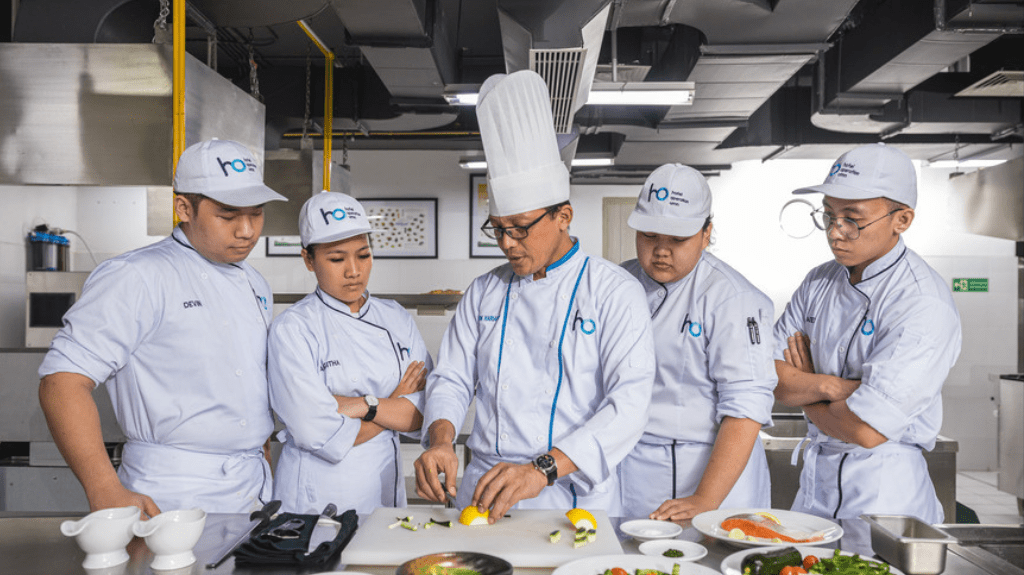
The kitchen laboratory segregated into five practical areas. The Main Kitchen is used to prepare […]

As a five star hotel styled room, housekeeping laboratories have two types of simulation rooms […]
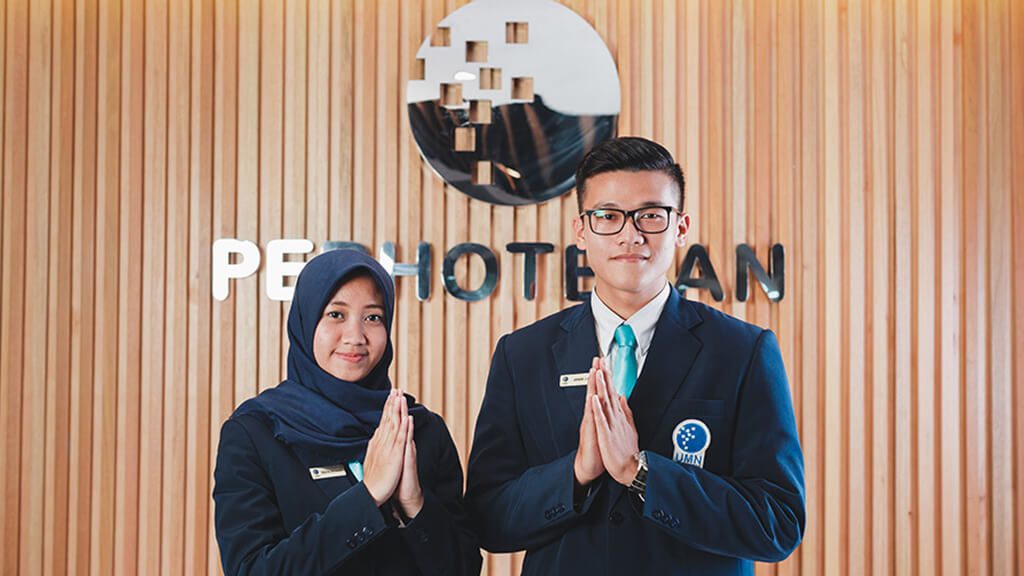
This laboratory subsists of a front and back office. In this lab, UMN’s hospitality students […]
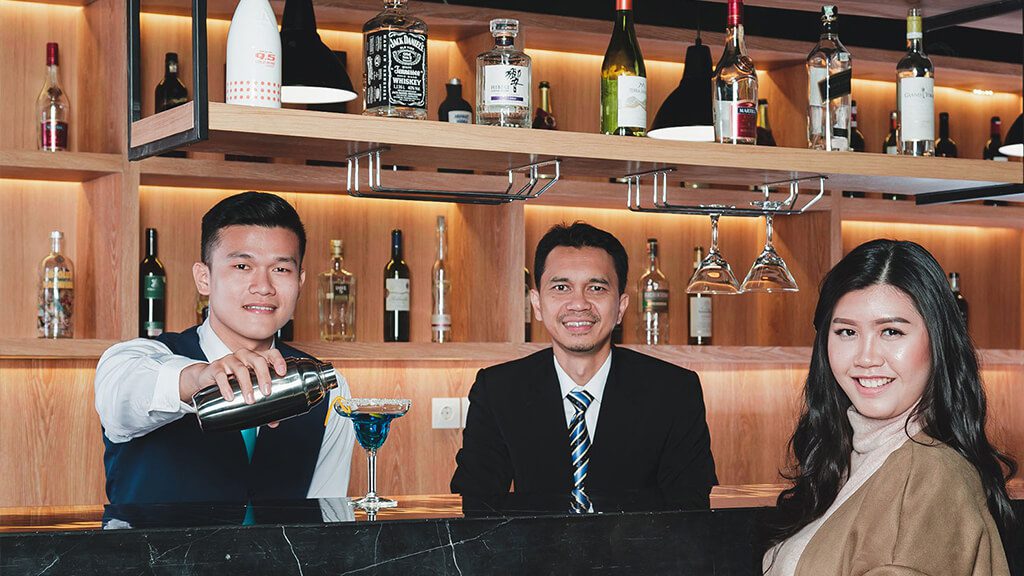
Food and Beverages (FnB) Lab This laboratory has restaurant facilities, bar tables and chairs, banquet […]
Extracurricular Student Activities
In order to help students explore and develop their non-academic potentials, UMN also provides a variety of extra-curricular activities for students which is locally called UKM, Student Activity Unit.
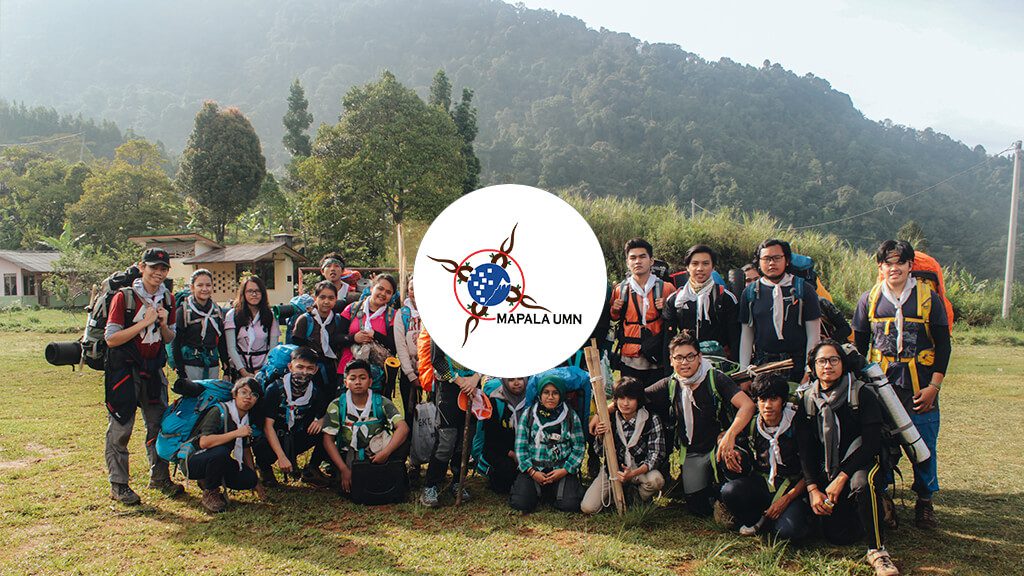
Student who are Nature Lovers in University Multimedia Nusantara can join and participate in UMN’s […]
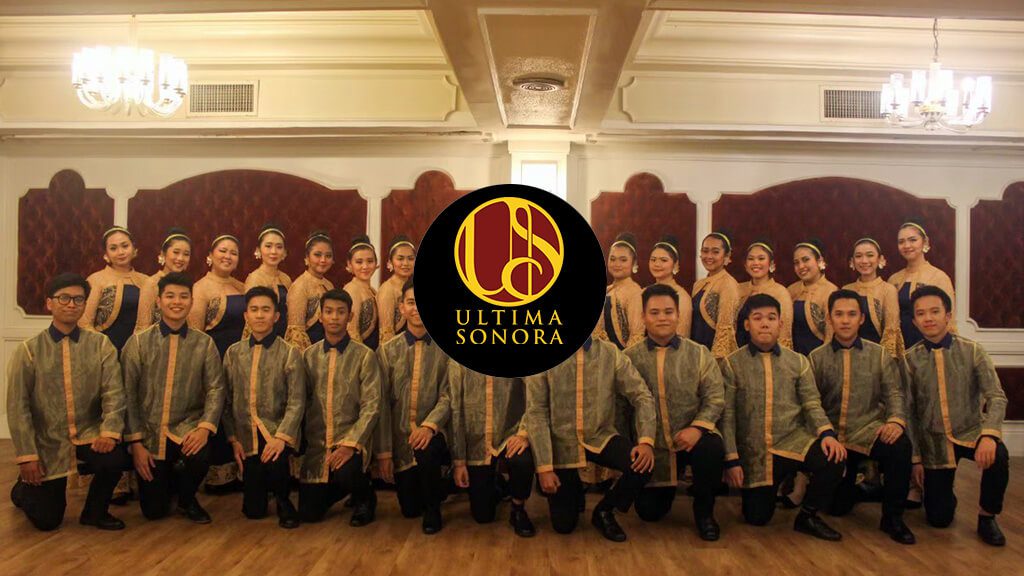
Ultima Sonora is the Universitas Multimedia Nusantara Choir ensemble which has been established since 2007. […]
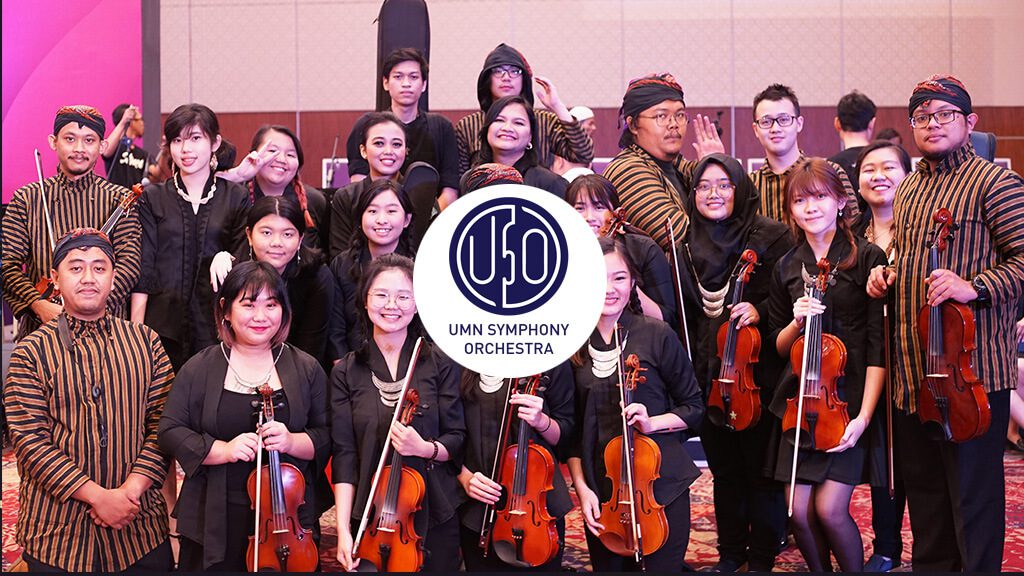
UMN Symphony Orchestra (USO), is one of the arts and culture UKM at UMN. As […]
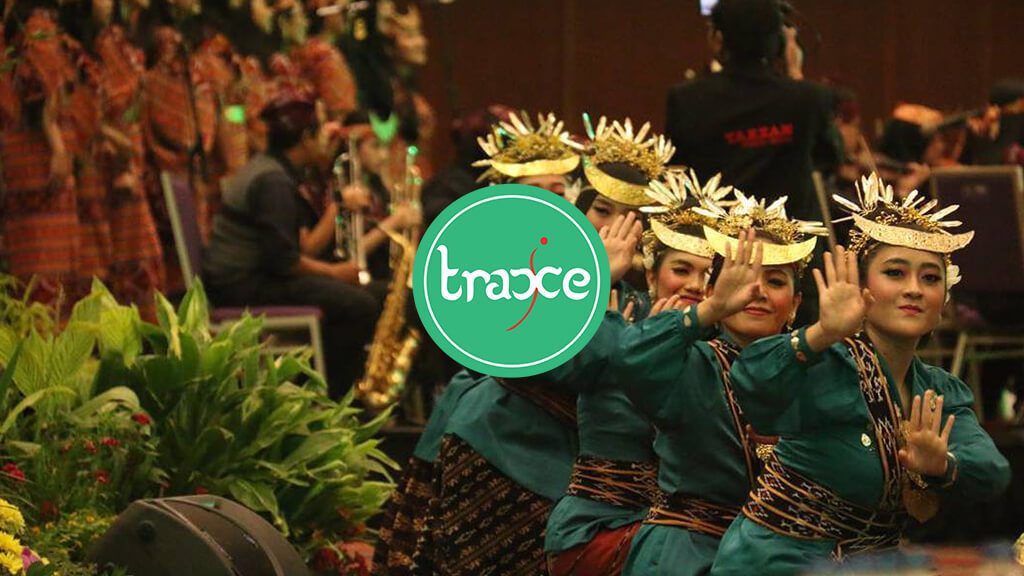
Traditional Music and Dance or familiarly known as TRACCE is one of the Student Activity […]
Qorie is one of the many Student Activity Units at Universitas Multimedia Nusantara that has […]
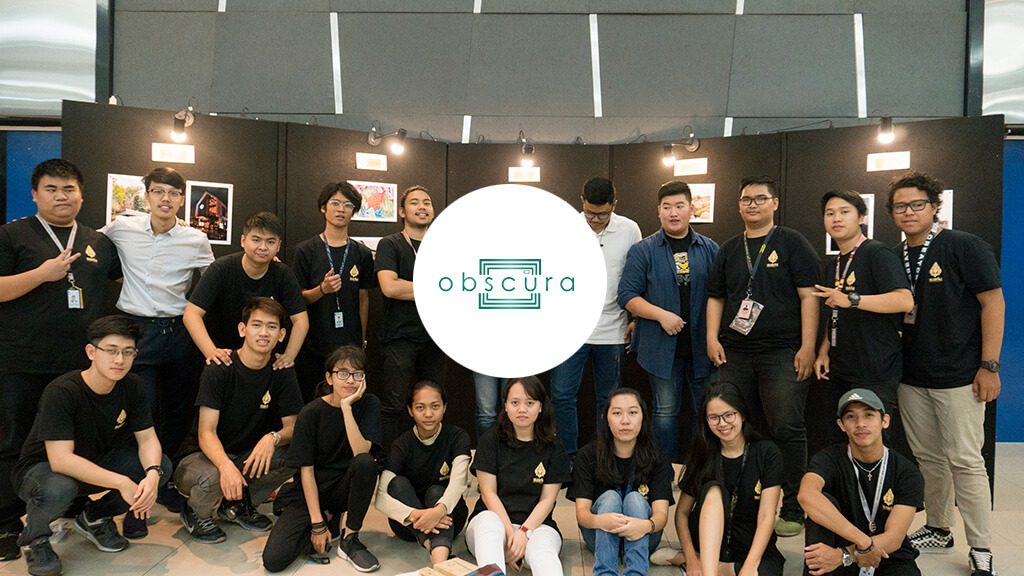
Obscura is a Student Activity Unit (UKM) engaged in photography under the auspices of Universitas […]

SEE OTHER
UMN’S STUDENT ACTIVITIES
Rekapitulasi Penelitian Internal
Rekapitulasi Data PKM
Rekapitulasi Data Inovasi
Achievement Lecturer
Academic Achievement Students
Non-Academic Achievement Std
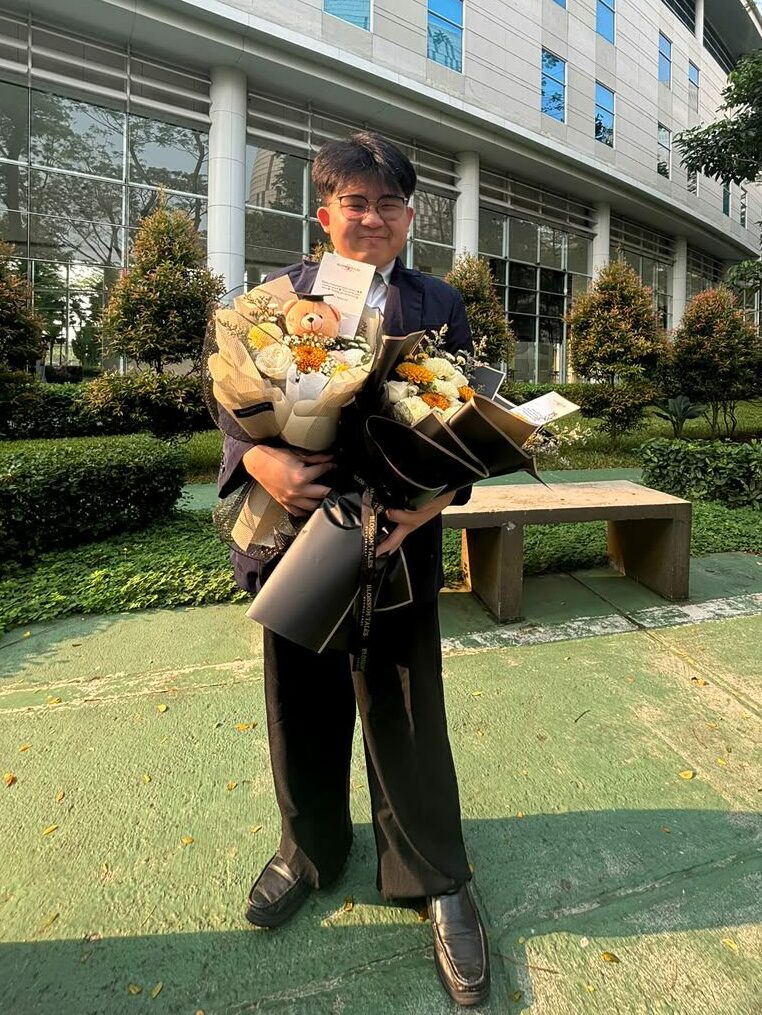
"During my studies in Hospitality at UMN, I really felt that we were accustomed to the working culture in the hotel industry. With the mandatory internship program in the fifth semester, I had the opportunity to gain hands-on work experience. I could say that I was “lucky” to work with a chef who was very open to letting me try new things in the world of pastry, because not all of my friends who did internships had the same experience.After completing my mandatory internship, I was also given the opportunity to share the knowledge I had gained from my classes and lab sessions as a student assistant, before eventually continuing my journey in Hong Kong."
James Arpiar Lorence
Hospitality 2023 | Pastry Cook at Rosewood Hong Kong

"During my studies at UMN, I gained extensive experience in both theory and practice. As someone who prefers hands-on learning, the practical classes were very helpful in providing the basic knowledge of the hospitality industry and preparing students for internship programs. In addition to operational skills, the D3 Hotel Operations program at UMN also equips students with managerial competencies, such as leadership and cost control."
Jessica Priscilia S.
Hotel Operations 2018 | Commis 1 at Hilton Abu Dhabi Yas Island, Abu Dhabi, UEA
Department of
Hotel Operations
The Hotel Diploma Program at UMN consists of hands-on hospitality courses, including Room Division Management and Restaurant Operation, with introductory hotel management courses based on ICT. Students will learn not only about the operation of Front Office and Housekeeping management, but also about the service and production of Food and Beverage service, alongside with a variety of academic disciplines, including foreign languages.